
King's Holly
Ilex kingiana
Description
Growing requirements
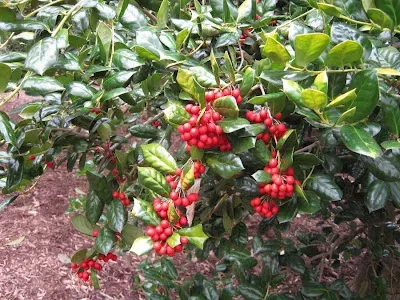
King's Holly (Ilex kingiana) is an evergreen woody species belonging to the Aquifoliaceae family. Native to the mountainous regions of Southeast Asia, including parts of China and Myanmar, it is highly valued for its dense foliage.
This species requires a temperate, humid climate to thrive. It performs best in well-drained, nutrient-rich soils that have an acidic to slightly acidic pH level.
In terms of site selection, King's Holly prefers partial shade. Excessive exposure to direct, scorching sun during peak summer months can damage the glossy leaves and impact overall health.
Agricultural management focuses on maintaining consistent soil moisture. During prolonged dry spells, deep watering is necessary, and organic mulching is recommended to prevent water loss from the root zone.
The primary use of this plant is ornamental, commonly utilized in landscape architecture to create privacy hedges, border plantings, or as standalone specimens in temperate garden settings.
Main diseases and pests
Fungal diseases, specifically leaf spot, represent a major threat to King's Holly. These infections are often exacerbated by poor air circulation and high humidity around the canopy.
Scale insects and aphids are among the most common pests. They feed on the sap of the stems and the undersides of the leaves, potentially weakening the plant if infestations are not controlled.
Nutrient deficiencies, particularly involving iron or magnesium, can lead to chlorosis. This physiological disorder causes leaves to lose their green color, which is often tied to unsuitable soil pH levels.
Routine maintenance practices, such as thinning out crowded branches, play a critical role in disease prevention by improving internal airflow and light penetration.
Chemical control measures, including the application of fungicides and horticultural oils, should be implemented promptly if early signs of pests or pathogens are detected.