
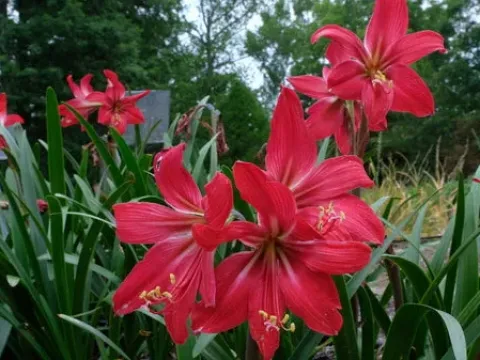
Hippeastrelia
Hippeastrelia
Hippeastrelia is a unique intergeneric hybrid derived from the cross-pollination of Hippeastrum and Sprekelia species. Belonging to the Amaryllidaceae family, this plant is highly valued for its striking architectural flowers and robust bulb structure.
What the section contains
Hippeastrelia
The cultural requirements for Hippeastrelia involve bright, indirect sunlight to ensure healthy foliage growth and successful blooming cycles. High-intensity direct sunlight can scorch the leaves, so positioning the plant near windows with filtered light is ideal for optimal development.
A well-draining, nutrient-rich soil mix is essential for the health of the bulb. The growing medium should be slightly acidic to neutral, containing organic matter such as peat or leaf mold, mixed with perlite or coarse sand to ensure superior aeration.
Watering frequency should be adjusted based on the growth cycle: liberal watering is required during the active growing phase, while a significant reduction in water is necessary during the winter dormancy period to prevent bulb rot.
Temperature control is critical, with the plant requiring a distinct period of coolness during its dormant phase to trigger floral initiation. Proper ventilation is also vital to prevent humidity-related issues that can affect the health of the bulb and root system.
The most significant pathological threat to Hippeastrelia is Stagonospora curtisii, commonly known as red blotch. This fungal disease creates necrotic spots on the bulb, leaves, and flower stalks, potentially leading to the collapse of the entire structure if left untreated.
Pests, particularly spider mites and scale insects, frequently target this plant, especially in indoor environments where the air may be too dry. These pests extract sap from the foliage, leading to yellowing and premature tissue death.
Managing threats involves regular inspection of the bulb and foliage for any signs of decay or infestation. Using systemic fungicides and insecticidal soaps can mitigate outbreaks if caught during the early stages of infection or colonization.
Proper sanitation practices, including the sterilization of potting equipment and the use of clean, pathogen-free growing media, are the primary defenses against disease. Preventing physical damage to the bulb during repotting is equally important to avoid bacterial ingress.
- Monitor bulb firmness regularly.
- Avoid overwatering to prevent root and bulb rot.
- Ensure adequate spacing between plants to improve airflow.
- Quarantine new specimens before introducing them to the collection.