
Possumhaw
Ilex decidua
Description
Growing requirements
Possumhaw (Ilex decidua) is a deciduous shrub or small tree belonging to the Aquifoliaceae family. Native to the southeastern United States, this plant is commonly found in floodplains, bottomlands, and riparian zones, reflecting its natural preference for moist to wet soil environments.
The cultural requirements for this plant include full sun to partial shade. While it exhibits great tolerance for varying light conditions, it thrives best in environments that provide consistent moisture throughout the growing season, showing clear signs of stress if exposed to prolonged drought.
In terms of soil, Ilex decidua prefers acidic, fertile, and well-drained soils, although it possesses a remarkable ability to adapt to heavier clay compositions. Providing organic matter into the soil profile during planting can significantly improve the establishment and long-term vigor of the shrub.
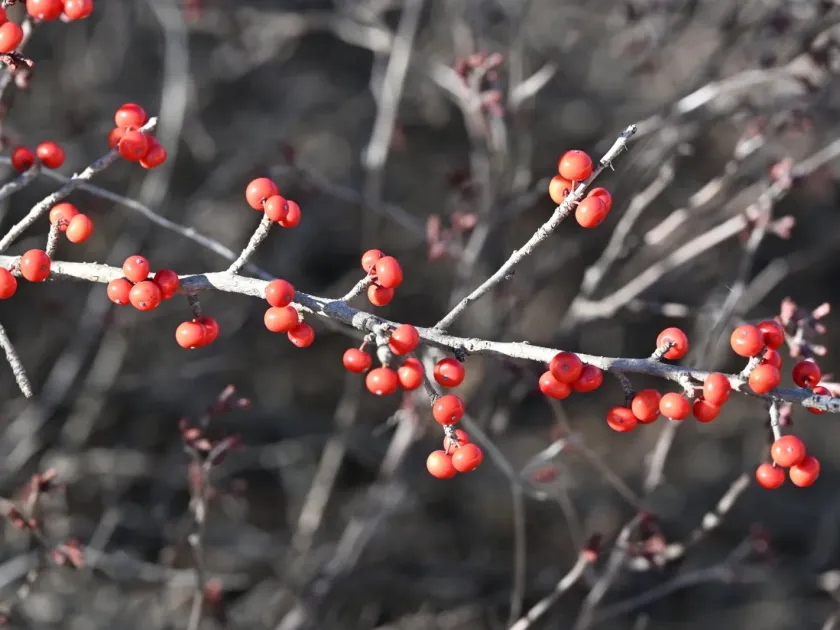
Regarding climate, the plant is hardy and well-adapted to USDA zones 5 through 9. It requires a period of dormancy in colder climates, where its deciduous nature becomes its most striking feature as the berries remain on the bare branches throughout the winter months.
The economic and aesthetic utility of Possumhaw is highly regarded in landscape design. Its primary usage lies in its ornamental value as a specimen plant, a component of hedgerows, or as a focal point in winter gardens, providing not only visual interest but also vital sustenance for wintering bird populations.
Main diseases and pests
The health of Possumhaw can be compromised by several fungal pathogens, including leaf spots and powdery mildew. These diseases are more prevalent in areas with high humidity, poor air circulation, or overhead irrigation, necessitating careful site management and moisture control.
Pest pressures are generally manageable but can include infestations of aphids, scales, and mites. These insects typically concentrate on young terminal growth, leading to stunted development and potential yellowing of foliage if left untreated over an extended period.
Integrated pest management (IPM) is the recommended approach for this species. This involves physical inspection, the use of horticultural oils for scale control, and the judicious application of insecticides only when population thresholds are exceeded to minimize the impact on beneficial pollinators.
Maintenance pruning is essential to mitigate disease risk. By removing crossing, dead, or diseased wood, gardeners improve the structural integrity of the plant and ensure that sunlight and air penetrate the canopy, which effectively reduces the likelihood of fungal colonization.
Soil health also plays a key role in defense against pests. Balanced nutrition, avoiding excess nitrogen, and maintaining a consistent layer of organic mulch around the base of the plant help reduce environmental stressors, thereby enhancing the natural resistance of the shrub.