
Sand holly
Ilex ambigua
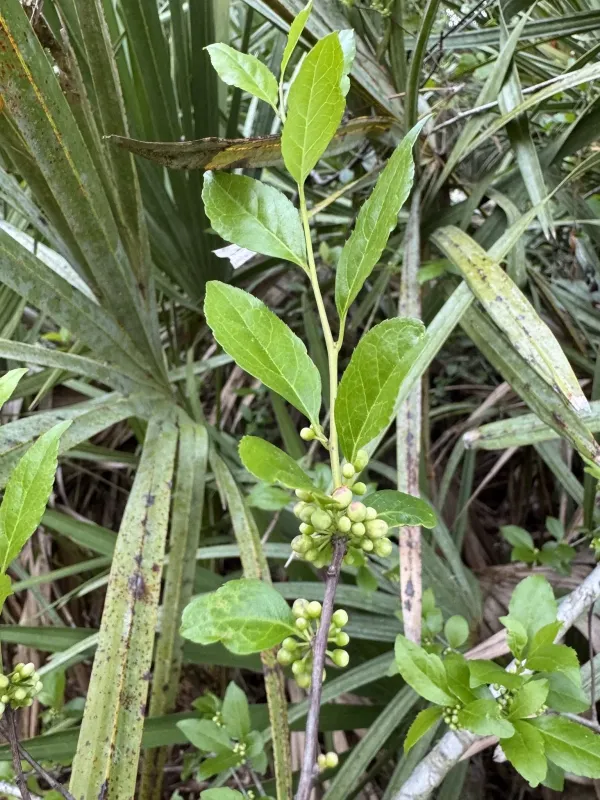
Description
Growing requirements
Sand holly (Ilex ambigua) is a member of the Aquifoliaceae family. It is a deciduous shrub or small tree native to the southeastern United States, typically found in diverse forest habitats.
This species thrives in moderately moist, well-drained sandy or loamy soils with a slightly acidic pH. While adaptable to various conditions, it prefers partial shade, which mimics its natural forest understory environment.
Consistent moisture is crucial during the early stages of establishment. Although sand holly is considered a hardy plant, it does not tolerate waterlogged conditions, which can lead to significant root rot and poor plant vigor.
Climatic requirements favor regions with mild winters typical of subtropical or warm temperate zones. Severe, prolonged frosts that freeze the ground deeply can negatively impact the plant's health and survival rate.
Cultivation practices involve regular mulching of the root zone to retain soil moisture and suppress weed growth, alongside light pruning in early spring to maintain a desired shape and encourage new growth.
Main diseases and pests
The primary biological threats to this species include fungal infections, such as leaf spot and anthracnose, which are exacerbated by high humidity levels and lack of proper airflow around the foliage.
While pests are generally not a major concern, weakened specimens can be susceptible to scale insects or mealybugs that feed on the sap of young stems and leaves, causing aesthetic damage.
Disease prevention focuses on implementing correct horticultural practices, such as ensuring adequate spacing between plants and avoiding overhead irrigation during humid weather to keep leaves dry.
Sanitary control of nursery stock is vital to prevent the accidental introduction of pests into a garden landscape. Inspecting new plants before planting is an essential step in integrated pest management.
When necessary, systemic insecticides may be used to control insect populations, and copper-based or systemic fungicides are effective for managing fungal outbreaks in damp conditions.