
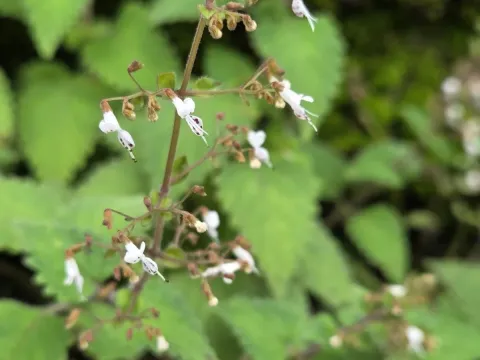
Homalocheilos
Homalocheilos
Homalocheilos is a genus belonging to the Lamiaceae (mint) family, characterized by its distinct structural features typical of herbaceous perennials within this group. Native to specific temperate and subtropical zones, it is known for its ability to adapt to diverse microclimates when provided with appropriate environmental conditions.
What the section contains
Homalocheilos
Cultivation of Homalocheilos requires well-drained, porous soil with a neutral to slightly acidic pH. The plant thrives in locations with full sun to partial shade, where the soil structure prevents waterlogging. Proper site preparation, including the incorporation of compost or organic matter, is recommended to enhance fertility and drainage.
Climate requirements involve moderate temperatures with consistent, but not excessive, moisture. In cooler regions, the plant requires protection from harsh frosts, often through mulching or cultivation in sheltered areas. Stable environmental conditions are crucial during the early stages of growth to establish a robust root system.
Agronomic management focuses on maintaining soil aeration and managing competition from weeds. Since Homalocheilos can be sensitive to root rot, irrigation management is paramount; drip irrigation is often preferred to ensure precise water delivery directly to the root zone, avoiding moisture accumulation on the foliage.
The economic value of this plant is primarily rooted in its ornamental use and potential for medicinal research within the Lamiaceae family. Ongoing selection processes aim to identify varieties that exhibit higher stress tolerance and improved ornamental qualities, making it a subject of interest for specialized horticulture.
The primary threats to Homalocheilos are fungal pathogens, such as root rot and powdery mildew, which flourish in high-humidity environments or poor-draining soils. These diseases can impact plant vitality, leading to reduced vigor and, in severe cases, the collapse of entire plant clusters if not identified early.
Pests, particularly aphids, spider mites, and whiteflies, frequently target members of the Lamiaceae family. These insects feed on the sap of the plant, potentially causing stunted growth and leaf distortion. Implementing integrated pest management (IPM) is essential to maintain plant health without disrupting the local ecosystem.
Preventative measures are critical for sustainable cultivation. These include ensuring sufficient spacing between plants to improve air circulation, which significantly lowers the risk of fungal spread. Regular field monitoring is necessary to detect pest infestations at an early stage, allowing for targeted intervention.
Sanitation practices play a vital role in disease management. Removing and destroying infected plant debris helps prevent the carry-over of pathogens to the next growing season. Furthermore, avoiding excessive use of nitrogen fertilizers can help prevent lush, succulent growth that is often more susceptible to pest attack.
In cases of significant outbreaks, the judicious use of biological controls or organic fungicides may be necessary. It is important to evaluate the timing of these applications to ensure maximum effectiveness while minimizing impact on non-target organisms, ensuring the long-term viability of the cultivation site.