
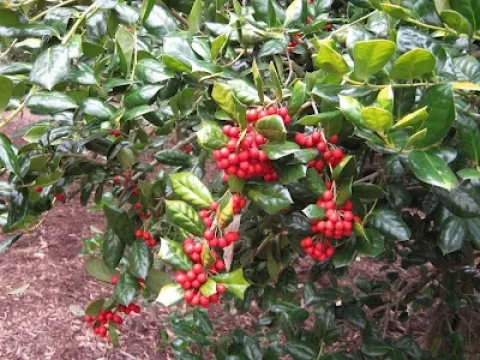
Sikkim holly
Ilex sikkimensis
Sikkim holly (Ilex sikkimensis) is an evergreen woody plant belonging to the Aquifoliaceae family. It is native to the mountainous regions of the Himalayas, specifically found in the ecosystems of Sikkim, Bhutan, and parts of Southwest China.
What the section contains
Sikkim holly
The species requires a cool, humid climate similar to its native high-altitude habitat. It performs best in areas where summers are mild and winter temperatures do not drop to extreme lows, as excessive frost can cause significant damage to the foliage and buds.
Regarding soil requirements, Ilex sikkimensis thrives in well-draining, acidic to neutral soil rich in organic matter. A moist, loamy texture is preferred, as it ensures both nutrient availability and necessary aeration for the root system to prevent root rot.
Sunlight exposure should be managed carefully. While it can tolerate partial shade, it requires adequate light to maintain its dense foliage color and vigor. Placing the plant in a location sheltered from strong, drying winds is crucial for its long-term survival.
- Requires consistent soil moisture.
- Prefers acidic soil (pH 5.0-6.5).
- Needs protection from harsh winter winds.
- Benefits from organic mulching.
Botanically, it is known for its leathery, elliptical leaves and small, inconspicuous flowers. The female plants produce vibrant red drupes that add significant ornamental value, making the plant a preferred choice for specialized winter gardens.
Common diseases affecting Sikkim holly include leaf spot and various root pathogens triggered by poorly drained soils. Managing drainage and ensuring adequate air circulation are the most effective preventive measures against these issues.
Pest infestations typically involve scale insects and spider mites. These pests suck sap from the foliage, leading to yellowing, loss of vigor, and potentially plant death if the infestation is not addressed promptly with suitable horticultural oils or systemic insecticides.
Regular maintenance, such as pruning dead or damaged branches, is essential to keep the plant healthy. Clean tools must be used to avoid transmitting viral or fungal infections between specimens during maintenance procedures.
Environmental stress, such as prolonged drought or extreme heat, can predispose the plant to secondary pest attacks. Maintaining a stable environment is key to a robust defense against common botanical ailments.
The use of chemical treatments should be limited to targeted applications during the active growing season. Always read labels for specific concentrations to ensure the plant tissue is not scorched by excessive chemical exposure.