
Tauschia hartwegii
Tauschia hartwegii
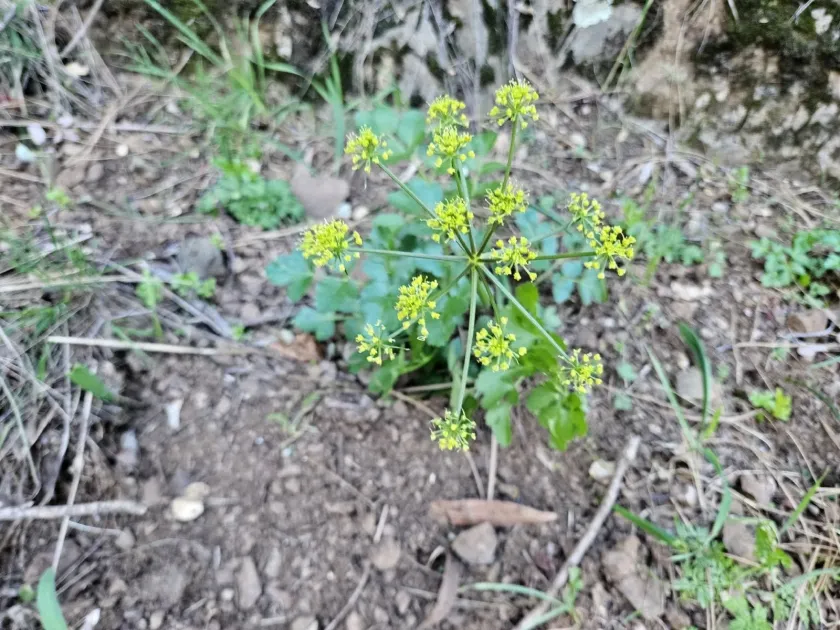
Description
Growing requirements
Tauschia hartwegii is a perennial herbaceous plant belonging to the diverse Apiaceae family. Native to the mountainous regions of North America, this species has evolved to thrive in specific, well-drained environmental niches.
The plant requires full sun to partial shade for optimal development. It prefers rocky or sandy loam soils that ensure excellent water permeability, as the species is highly susceptible to root rot if moisture remains stagnant.
Regarding climate, Tauschia hartwegii is well-adapted to cooler environments with distinct seasonal cycles. It exhibits significant resilience to temperature fluctuations, which is a trait inherited from its high-altitude habitat.
During the active growing season, consistent moisture is beneficial; however, the plant is remarkably drought-tolerant once established. Growers should prioritize soil aeration to maintain a healthy root zone throughout the year.
Though not a major commodity crop, Tauschia hartwegii holds value in ecological restoration and native plant landscaping. Its biological traits make it an interesting subject for botanical research and specialized agricultural cultivation.
Main diseases and pests
The primary threats to Tauschia hartwegii include fungal infections such as powdery mildew, which thrive in humid and poorly ventilated growing conditions. Proper spacing is essential to mitigate these risks.
Pests, particularly aphids, can infest tender new foliage during the early spring. Monitoring these populations early in the season is vital to prevent stunted growth and potential virus transmission.
Root-dwelling pests or soil-borne pathogens can be detrimental to the plant's long-term health. Utilizing sterile growing media for young plants and avoiding over-watering can help maintain root integrity.
Viral pathogens may cause mosaic patterns on leaves, necessitating the removal and destruction of affected specimens to protect the rest of the crop. Biosecurity within the planting site is highly recommended.
Implementing a strict rotation schedule, especially avoiding consecutive planting of Apiaceae family crops, is the most effective cultural practice to prevent soil pathogen accumulation.