
Tauschia howellii
Tauschia howellii
Description
Growing requirements
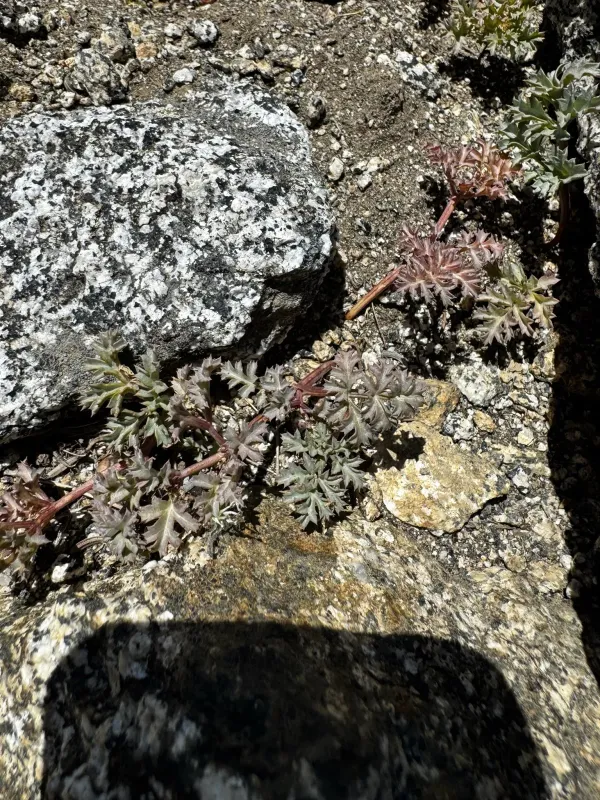
Tauschia howellii is a perennial herbaceous plant belonging to the Apiaceae family. Native to specific regions of North America, it is recognized for its unique adaptation to mountainous and well-drained terrain, making it a subject of interest for specialized botanical studies.
The plant thrives in environments characterized by porous soil structures, often found on rocky slopes. This species has evolved to tolerate specific moisture regimes, requiring excellent drainage to ensure the health of its root system, which is highly susceptible to stagnation.
Climatic requirements for Tauschia howellii include temperate conditions with mild winters and cool-to-warm summers. It does not perform well in areas with high humidity or intense, prolonged heat, as these factors disrupt the natural metabolic rhythms of the plant.
Regarding soil preferences, the plant demands low-nutrient, well-aerated substrates that mimic its natural wild habitat. Heavy or clay-rich soils are unsuitable as they impede root penetration and increase the likelihood of pathogens developing in the root zone.
Agricultural management of this species involves limited interference. Fertilization should be kept to a minimum, focusing on maintaining natural soil pH levels. Successful cultivation relies on site selection that provides adequate sunlight while ensuring protection from excessive water accumulation during the dormant season.