
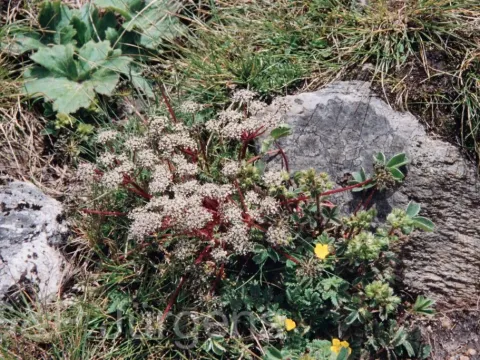
Tordyliopsis
Tordyliopsis
Successful cultivation of Tordyliopsis begins with precision sowing, usually conducted in early spring once the risk of severe ground frost has passed and soil temperatures have stabilized.
What the section contains

Tordyliopsis
The seeds should be planted at a shallow depth of approximately 1.5 to 2 centimeters to ensure optimal germination rates and to prevent the seedlings from exhausting their internal energy reserves.
A well-prepared, fine-textured seedbed is essential, as the fine seeds of Tordyliopsis require excellent soil-to-seed contact to initiate the germination process effectively.
Row spacing is typically maintained at 40 to 50 centimeters, which creates adequate airflow and space for essential maintenance tasks like weeding and nutrient application during the growth season.
If sowing in drier regions, it is recommended to lightly roll the soil surface after planting to retain moisture and promote uniform emergence across the entire field.
Tordyliopsis thrives in full sunlight, as it requires significant light intensity to maximize the production of essential compounds and to maintain its characteristic vegetative structure.
The plant demonstrates a strong preference for well-drained, sandy loam soils, where the root system can easily penetrate deep into the ground without facing waterlogging issues.
Soil pH should ideally be maintained in the range of 6.5 to 7.2, as this chemical environment allows for the optimal uptake of phosphorus and potassium, which are critical for yield quality.
Regular cultivation between the rows is highly encouraged to suppress invasive weed species that compete for water and essential soil nutrients during the early vegetative stages.
Water management is crucial; while the plant is somewhat drought-tolerant once established, supplemental irrigation during prolonged dry spells can lead to significantly higher biomass yields.
Fungal pathogens such as powdery mildew represent a significant threat to Tordyliopsis, especially when the crop is exposed to high humidity and stagnant air conditions within the canopy.
Root rot, caused by excessive moisture or soil compaction, can severely damage the plant's vascular system, leading to wilting and reduced productivity if not addressed promptly.
Pest pressure is often dominated by aphids and larvae of specific moth species that target the floral parts, potentially reducing the overall quality of the harvest if left uncontrolled.
Integrated pest management strategies, including the use of pheromone traps and beneficial insect release, are effective tools for managing these threats without relying on chemical pesticides.
- Monitor for leaf chlorosis symptoms regularly.
- Remove infected plants immediately to prevent pathogen spread.
- Practice crop rotation to minimize soil-borne infection risks.
The harvesting phase for Tordyliopsis is determined by the visual transition of the seed heads, which turn a distinct shade of brown when they reach peak physiological maturity.
Mechanical harvesting is generally the standard practice, using equipment calibrated to minimize shattering losses, as the mature seeds can drop easily if subjected to excessive physical stress.
Harvested material must undergo rapid processing, including cleaning and sorting, to remove plant debris that could hold moisture and compromise the storage stability of the seeds.
Post-harvest drying is performed in climate-controlled environments with temperatures kept below 40 degrees Celsius to protect the integrity of the plant's delicate aromatic compounds.
Proper storage involves sealed, breathable containers kept in cool, dark environments to maintain the viability of the seed material for future planting or processing cycles.