
Tauschia kelloggii
Tauschia kelloggii
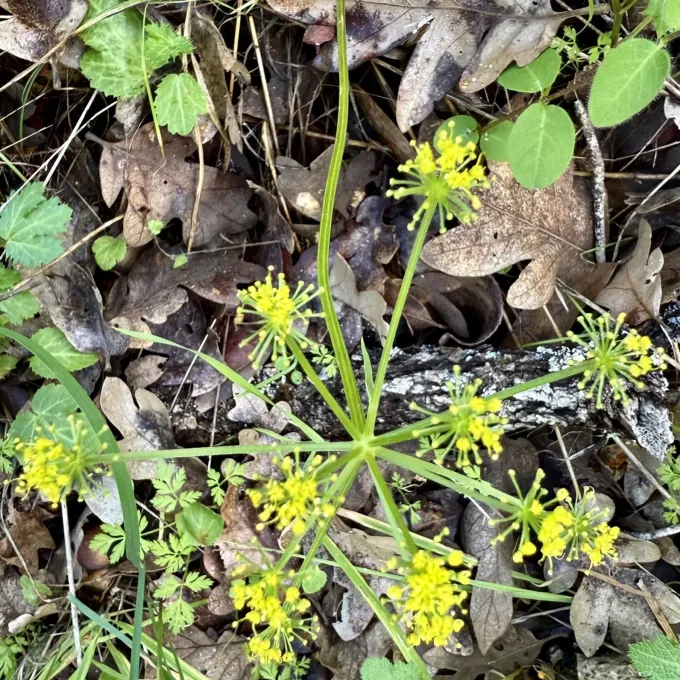
Description
Sowing dates
Tauschia kelloggii is a perennial herbaceous plant belonging to the Apiaceae family. Successful cultivation requires mimicking its natural lifecycle, where germination occurs during the cool and moist winter months.
Seeds require a period of cold stratification to break dormancy. Sowing should be carried out in a well-draining, loose soil medium to ensure that oxygen reaches the seeds during the critical germination phase.
Sowing depth is typically shallow, around 0.5 to 1 centimeter. Proper spacing is essential to prevent overcrowding, which can lead to poor development of the taproot system in the early stages of growth.
The optimal timing for sowing is late autumn or early winter, aligning with the plant’s evolutionary adaptation to seasonal cycles. Once sown, maintaining consistent, moderate moisture levels is vital for uniform emergence.
Seedlings develop slowly, focusing most of their initial energy on establishing a robust root system. Care must be taken during the first weeks to protect the tender shoots from heavy rainfall or soil crusting.
Growing requirements
This crop thrives in well-drained soils with excellent aeration properties. In its native habitat, it is found in slopes and foothills where water logging is avoided, making soil drainage the primary requirement for success.
Tauschia kelloggii prefers a Mediterranean-style climate, characterized by cool, wet winters and warm, dry summers. The plant is drought-deciduous, meaning it naturally dies back above ground once temperatures rise significantly in the summer.
The site selection should prioritize locations with plenty of sunlight, though partial shade may be beneficial in regions with intense summer heat. This shade helps prevent the soil from drying out too quickly during the late growth phase.
A neutral to slightly acidic soil pH is ideal for nutrient uptake. Overly alkaline soils can stunt growth and interfere with the plant's ability to store energy in its root system for the next season.
Minimal fertilization is generally required, as excessive nitrogen can promote succulent growth that is susceptible to pests and diseases. Focus should be on maintaining soil health through natural organic amendments.
Main diseases and pests
Fungal pathogens are the most significant threats to Tauschia kelloggii, particularly during wet and cold winters. Root rot is a common issue caused by poor drainage and stagnant water in the root zone.
Slugs and snails can cause substantial damage to the foliage during the early spring growth phase. Implementing physical barriers or eco-friendly deterrents is often necessary to protect young plants.
Aphids may infest the flower stalks as the plant matures. While they are usually a minor nuisance, heavy infestations can weaken the plant and reduce the quality of the seed set for the following season.
Root-feeding larvae, such as wireworms, can damage the taproot, making the plant susceptible to secondary infections. Good hygiene in the field and proper site preparation are the best preventative measures.
Sanitation is key to disease management; removing dead plant debris after the summer die-back prevents the buildup of pathogens. This practice keeps the soil environment clean for the next cycle of growth.