
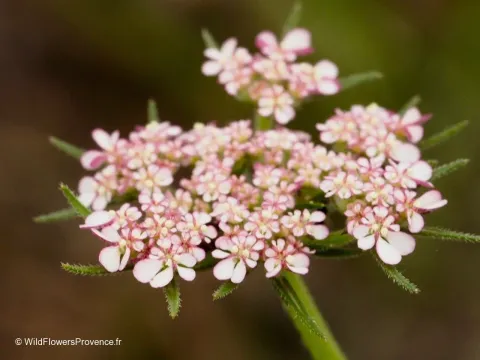
Tordylium
Tordylium
Tordylium is a genus of plants belonging to the Apiaceae family, consisting mostly of annuals or biennials. Sowing should ideally take place in early spring once soil temperatures reach 8–10 degrees Celsius.
What the section contains
 Hartswort
Tordylium maximum
Hartswort
Tordylium maximum
 Rough-fruited hartwort
Tordylium trachycarpum
Rough-fruited hartwort
Tordylium trachycarpum
 Tordylium aegyptiacum
Tordylium aegyptiacum
Tordylium aegyptiacum
 Tordylium apulum
Tordylium apulum
Tordylium apulum
 Tordylium carmeli
Tordylium carmeli
Tordylium carmeli
 Tordylium cordatum
Tordylium cordatum
Tordylium cordatum
 Tordylium officinale
Tordylium officinale
Tordylium officinale
 Tordylium syriacum
Tordylium syriacum
Tordylium syriacum
Tordylium
Adequate soil moisture is essential for successful germination. Seeds should be sown in rows with spacing between 30 and 45 centimeters to facilitate future plant maintenance.
The optimal sowing depth is between 1 and 2 centimeters. Autumn sowing is also an option in certain climates, allowing seeds to undergo natural stratification, which enhances spring germination.
As light-demanding plants, they thrive in open areas protected from strong winds that could damage the delicate umbelliferous inflorescences during the growth phase.
Sowing density is adjusted based on the intended use; higher densities are used for leaf production, while lower densities are preferred for seed harvesting to ensure better pollination.
Tordylium prefers fertile, well-drained loamy or sandy soils. Waterlogging is detrimental to the plant and often leads to root rot, so proper drainage is non-negotiable.
The optimal soil pH range for this crop is between 6.0 and 7.0. If the soil is too acidic, liming should be performed well in advance of the planting season.
Moderate watering is required throughout the growing season. Excessive moisture, especially during the flowering phase, can negatively impact the oil content and quality of the seeds.
The plant is thermophilic, meaning it enjoys warmth; however, during unpredictable spring frosts, it is advisable to use row covers to protect young, vulnerable seedlings.
Agricultural management involves regular weeding and loosening of the soil between rows to improve aeration and prevent competitive pressure from common weeds.
The yield of green matter depends significantly on the soil fertility and the timely application of organic or mineral fertilizers during the active vegetative stage.
Using intensive cultivation techniques, including nitrogen and potassium supplements, can lead to consistent and high-quality biomass production for the gardener.
Seed harvesting is performed when the umbels turn brown, indicating that the seeds have reached physiological maturity and maximum nutritional or aromatic value.
Productivity varies based on the regional climate and adherence to recommended cultivation standards, including water management and pest control measures.
Maintaining high productivity requires strict adherence to crop rotation, ensuring that Tordylium is not planted in the same soil for at least three to four years.
Like many members of the Apiaceae family, Tordylium is susceptible to fungal diseases, including powdery mildew and various types of leaf spot pathogens.
Overly humid conditions often lead to root rot, caused by pathogens that thrive in saturated soil environments, which can weaken or kill the plant rapidly.
Key pests include aphids and the umbelliferous moth, which can severely damage flowers and leaves, thereby reducing the overall quality of the harvest if left unchecked.
Integrated pest management, including biological controls and mechanical removal of infected parts, is the most sustainable approach to protecting the crop.
Prevention is key: maintaining proper spacing between plants, ensuring good air circulation, and avoiding excessive watering helps keep the plants healthy and robust.
For culinary or medicinal use, greens should be harvested before the plant begins its flowering cycle, as this is when the leaves possess the highest concentration of essential oils.
Harvesting should be done with a sharp blade, cutting stems carefully while leaving enough foliage to avoid damaging the crown and preventing future growth issues.
Once harvested, the greens should be processed immediately, either through drying in a cool, dark, and well-ventilated area or by fresh delivery to minimize quality loss.
For seed production, umbels are harvested progressively as they ripen, then dried under shelters to ensure they reach the necessary dryness for storage.
The final cleaning stage involves winnowing the seeds to remove plant debris, ensuring a clean and viable seed lot for subsequent planting cycles.