
Tauschia glauca
Tauschia glauca
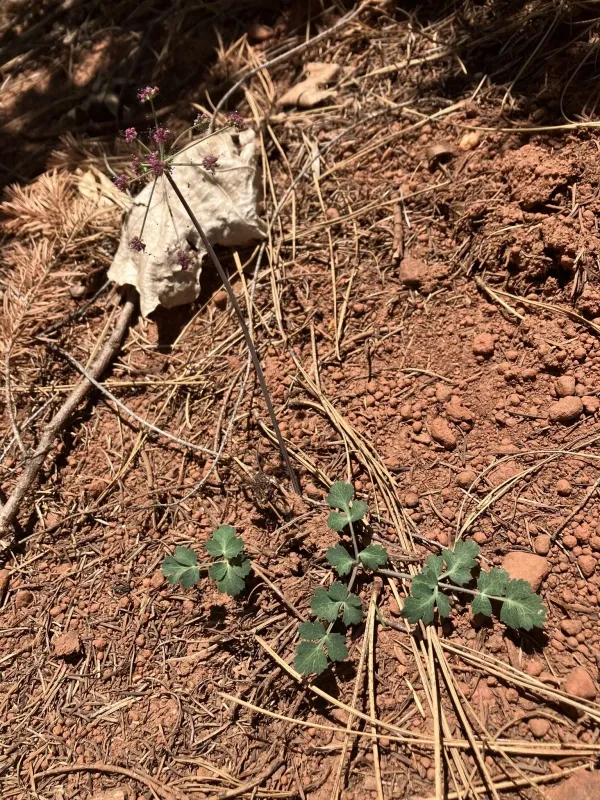
Description
Growing requirements
Tauschia glauca is a perennial herbaceous plant belonging to the Apiaceae family. It is native to the western regions of North America, where it typically inhabits rocky slopes and meadows, showcasing its ability to survive in challenging environments.
The plant is easily identified by its characteristic glaucous (bluish-grey) foliage and a sturdy taproot system, which serves as a storage organ during dry seasonal cycles. Its growth habit is typically low-lying, forming basal rosettes.
In terms of agricultural requirements, this species demands well-drained, porous soils. It thrives in gravelly or sandy loam textures where the drainage is excellent, as the roots are highly susceptible to rot if water persists in the soil profile.
Climatic preferences include exposure to full sun or partial shade and a moderate environment that mimics its natural high-altitude or open-range origin. It displays significant cold hardiness, allowing it to withstand frost during winter dormancy.
While not a major commercial crop, its potential lies in ethnobotanical and phytochemical research, as many members of the Apiaceae family are known for their distinct essential oil profiles and bio-active compounds.
Main diseases and pests
The primary threats to Tauschia glauca in a cultivated setting are root-borne pathogens triggered by improper soil moisture management, specifically waterlogging during the growing season.
Common pests associated with the Apiaceae family, such as aphids and specialized leaf-miners, can damage the foliage and impede nutrient uptake, which requires vigilant monitoring and timely intervention.
Cultural control measures, such as maintaining appropriate spacing between plants, are essential to ensure adequate airflow and prevent the development of powdery mildew and other fungal diseases.
Crop rotation is strongly advised if Tauschia is being cultivated commercially to prevent the accumulation of soil-borne pests and diseases in the garden bed.
When necessary, integrated pest management techniques, including biological control agents, should be preferred over chemical sprays to protect the plant's delicate ecological balance.