
Tilingia
Tilingia
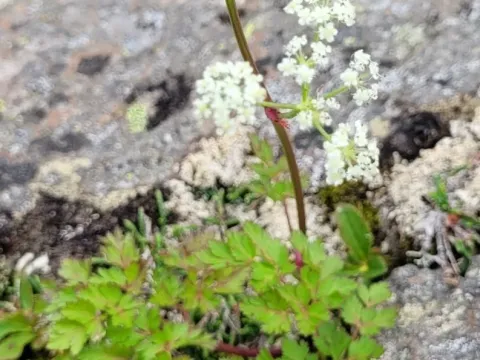
Tilingia is a genus of perennial herbaceous plants belonging to the Apiaceae (parsley) family. The most prominent species is Tilingia ajanensis, which is native to the Far East and regions of Northern Asia.
What the section contains


Tilingia
This crop prefers moist, well-drained, and nutrient-rich soils. It thrives in temperate climates with regular precipitation, demonstrating significant hardiness in its natural habitat regions.
For optimal growth, Tilingia requires sunny locations, although it can tolerate light shade during the warmest hours of the day. It is critical to avoid waterlogging, as standing water can lead to the decay of the deep taproot system.
The agricultural cultivation practice involves deep soil tillage to accommodate the root structure. Ideal soil pH levels should remain close to neutral to support the robust development of the plant.
In terms of economic utility, Tilingia is valued as a medicinal plant containing essential oils and coumarin compounds. It has been historically used in traditional medicine for its analgesic and antispasmodic properties.
Fungal diseases, particularly powdery mildew, represent the primary threat to Tilingia, especially in conditions characterized by high humidity and inadequate air circulation between plants.
Root rot is a major risk when plants are grown in heavy, poorly draining clay soils. Effective prevention strategies include rigorous crop rotation and the application of fungicides to seeds.
Common pests include the parsley moth and aphids, which target the flower heads and young foliage. Regular field inspections are essential for timely intervention and pest management.
Wireworms can cause significant damage to the roots, directly affecting the quality and market value of the crop. Soil-based insecticidal treatments are recommended before planting to mitigate this risk.
Nematode infestations can also affect root health, necessitating a strategic rotation plan to prevent the buildup of soil-borne pathogens over multiple years of cultivation.