


Reference · Crops
Parsley
Petroselinum
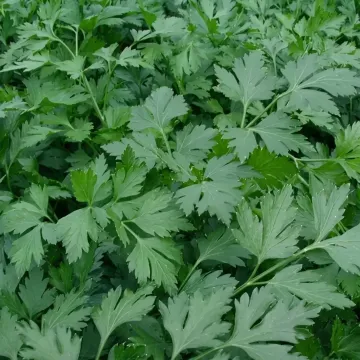
Parsley (Petroselinum) is a biennial herbaceous plant belonging to the Apiaceae family. In its first year, it develops a rosette of leaves and a fleshy taproot, while in the second year, it produces a flowering stalk.
4
items
What the section contains
Marketplace
Products in this section · 12




Parsley
Sowing times depend on the specific climate and desired harvest period. While parsley seeds can germinate at soil temperatures as low as +2–3°C, optimal germination rates occur at temperatures around +18–20°C.
Spring sowing is typically carried out in late April when the soil has sufficiently warmed. For an early harvest, growers may use late autumn sowing, ensuring the seeds remain dormant until spring.
The seeds contain high concentrations of essential oils, which can delay germination. Soaking seeds in warm water or using growth stimulants is common practice to increase uniformity in emergence.
Seeds are usually sown at a depth of 1–2 cm. With appropriate moisture levels, seedlings typically appear within 15–20 days after the initial sowing.
Parsley is quite cold-hardy, capable of withstanding light frosts. The plant thrives in temperate climates, preferring temperatures in the range of +18°C to +22°C for optimal leaf development.
The plant requires full sun to partial shade and prefers fertile, well-draining soils. A loamy or sandy soil with a neutral pH level between 6.5 and 7.5 provides the best environment.
Consistent soil moisture is essential; however, the plant does not tolerate waterlogging. Overwatering can lead to root rot, while drought conditions cause the foliage to become bitter and tough.
Crop rotation is vital. Parsley should not follow other Apiaceae members (such as carrots, celery, or fennel) to minimize the risk of soil-borne pathogens and specific pests.
Maintenance includes regular weeding and thinning. Thinning should be done in stages to ensure adequate airflow and space, usually keeping plants 5–10 cm apart for best leaf yield.
The yield of leafy parsley is largely determined by the frequency of harvest. With proper care and fertility management, multiple cuts can be taken throughout the growing season.
Expectations for leafy varieties range from 1.5 to 3 kg per square meter, depending on variety and growing conditions. Root parsley cultivars can produce 2–4 kg of taproots per square meter.
To maximize yields, nitrogen-based fertilization is recommended after each major harvest cycle to encourage rapid leaf regeneration.
Promptly removing any emerging flower stalks is crucial, as flowering redirects energy away from leaf production and degrades the overall quality of the crop.
Choosing high-quality hybrid seeds often results in more consistent growth and higher overall crop productivity compared to open-pollinated varieties.
Common diseases affecting parsley include powdery mildew, white mold (Sclerotinia), and leaf spot. These are more prevalent in high-humidity conditions or areas with poor ventilation.
Major pests include the carrot rust fly, aphids, and spider mites. These insects can significantly reduce leaf quality and may require integrated pest management strategies.
Prevention is the most effective approach. This includes planting in well-spaced rows, managing irrigation to keep foliage dry where possible, and maintaining a strict crop rotation schedule.
When necessary, bio-pesticides are preferred for leaf crops to ensure the final product remains safe for human consumption and free from chemical residues.
- Strict crop rotation
- Regular thinning
- Optimized irrigation
- Early pest detection
Harvesting usually begins when the plant reaches a height of 15–20 cm. Leaves are cut using a sharp blade just above the crown to allow for regrowth throughout the season.
For root parsley, the taproots are harvested in late autumn before the ground freezes. After lifting, tops are trimmed, and roots are cleaned for storage in cool, dark conditions.
Harvesting early in the day is ideal to ensure the leaves maintain high turgor and superior quality for the fresh market. Avoid harvesting during the heat of the day.
Post-harvest management involves rapid cooling to extend shelf life. Properly packaged parsley can remain fresh in cold storage for up to two weeks.
Preservation through drying or freezing is highly effective. Frozen parsley retains its distinct flavor profile and nutritional value for several months when processed correctly.