
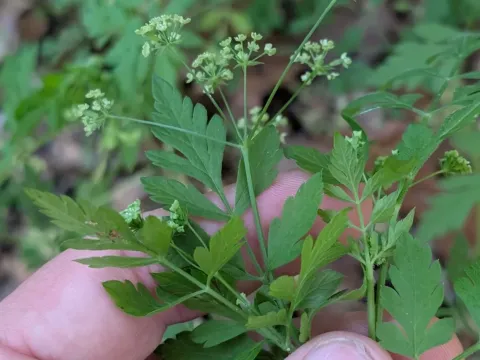
Osmorhiza
Osmorhiza
Osmorhiza seeds possess a deep dormancy and require a period of cold stratification, typically lasting 60 to 90 days at near-freezing temperatures.
What the section contains


Osmorhiza
For outdoor cultivation, fall sowing is the most effective method, as it mimics the natural cycle and allows the seeds to break dormancy during the winter months.
If starting indoors, seeds should be placed in moist media and kept in a refrigerator before being moved to a warm environment to initiate germination.
The seeds should be sown at a shallow depth of approximately 0.5 cm, as deeper sowing may inhibit the emergence of delicate seedlings.
Consistency is key during the germination phase; ensuring that the soil remains moist but not waterlogged is essential for successful seedling establishment.
Osmorhiza belongs to the Apiaceae family and is recognized for its preference for woodland habitats, necessitating partial to full shade for optimal growth.
The plant thrives in nutrient-rich, humus-heavy, and well-draining soils that maintain moisture throughout the growing season without becoming stagnant.
Climate-wise, it prefers cooler environments, as extreme summer heat can cause premature senescence of the foliage and significantly reduce root quality.
Regular mulching is highly recommended to protect the roots from temperature fluctuations and to maintain the soil moisture balance characteristic of forest floors.
Cultural practices should focus on maintaining a steady supply of organic matter in the soil to support the perennial nature of the rootstocks.
Slugs and snails are the most significant pests for Osmorhiza, particularly in the spring when tender shoots are emerging from the soil.
Aphid infestations can occur during periods of prolonged warmth, causing leaf curling and potential stunted growth if not managed promptly.
Powdery mildew is a common fungal disease, especially in areas with high humidity and poor air circulation, necessitating strategic spacing of plants.
Root rot is a major risk in heavy clay soils where drainage is insufficient, often leading to the sudden death of the perennial root system.
- Manual collection of slugs and snails.
- Application of horticultural oils for aphid control.
- Providing adequate spacing for airflow.