


Reference · Crops
Parsnip
Pastinaca
Parsnips are cold-hardy crops, so sowing should begin in early spring once the soil temperature reaches 2–3 °C. In temperate climates, this typically occurs from late March through April, allowing for a long growing season.
1
items
What the section contains
Marketplace
Products in this section · 12




Parsnip
Parsnip seeds contain high levels of essential oils, which can make germination slow and erratic. It is not uncommon for seedlings to take up to three weeks to emerge.
Recommended row spacing is 45–60 cm to allow for root development. Seeds should be sown at a depth of 2–3 cm in well-prepared, loose soil.
To improve germination rates, many farmers use pre-soaked or pelleted seeds. Thinning is essential at the two-leaf stage, leaving 10–15 cm between individual plants to prevent crowding.
Late autumn sowing is also practiced to achieve earlier harvests in the following year. It is crucial to choose varieties resistant to bolting caused by temperature fluctuations.
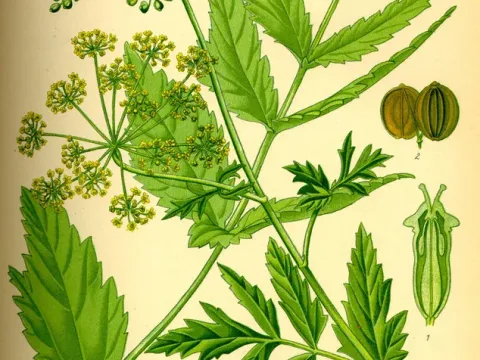
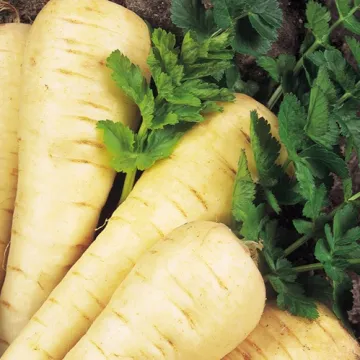
Parsnips belong to the Apiaceae family and are biennial plants prized for their nutritious, sweet taproots. They originate from Europe and Western Asia, where they have been cultivated for centuries.
The crop requires deep, fertile, and stone-free soil. Compacted or heavy clay soils will cause the roots to fork and become misshapen, drastically reducing marketability.
Parsnips thrive in sunny locations with adequate moisture but dislike waterlogged ground. A soil pH between 6.0 and 7.5 is ideal for optimal nutrient uptake.
The plant is highly adaptable to cooler climates and can even tolerate light frosts, which enhances the flavor profile of the root by converting starches into sugars.
Adequate soil preparation involves working the earth to a depth of at least 30 cm. Fresh manure should be avoided prior to planting, as it encourages excessive foliage growth and causes deformed roots.
With proper agricultural practices, yields typically range from 30 to 50 metric tons per hectare. High-quality roots can reach lengths of 20–30 cm and weights of 300–500 grams.
Consistent water availability during the peak growth period in mid-summer is vital. Stress caused by drought often results in woody or stunted roots.
Weed control is the most demanding task during the early growth stages, as parsnips grow slowly and are easily outcompeted by aggressive weeds.
Regular cultivation between rows improves soil aeration, promoting uniform root development and preventing the soil crust from hardening.
The total growth cycle ranges from 100 to 140 days. Monitoring maturity is important to ensure the roots reach their full flavor potential before the harvest window closes.
The carrot rust fly and aphids are the most significant pests for parsnips. Integrated pest management, including crop rotation and the use of insect netting, is highly effective.
Common diseases include Cercospora leaf spot and powdery mildew. During storage, roots are susceptible to various fungal rots if conditions are too humid or warm.
Crop rotation is mandatory to prevent the buildup of soil-borne pathogens. Parsnips should not follow other Apiaceae crops, such as carrots, celery, or fennel, for at least four years.
Maintaining proper plant density and removing infected leaves early can significantly reduce the risk of disease spread within the field.
- Carrot rust fly
- Aphids
- Cercospora leaf spot
- Powdery mildew
- Root rot
Harvesting usually takes place in late autumn once the foliage begins to die back. Digging should be done carefully to avoid bruising or breaking the brittle roots.
Using a mechanical lifter or a garden fork, the roots are loosened from the soil. Damaged roots should be set aside for immediate use, as they do not store well.
Foliage should be trimmed close to the crown immediately after lifting. Drying the roots in a sheltered, well-ventilated area for a few hours is standard practice before storage.
Parsnips can be left in the ground during winter in milder climates. This "overwintering" process significantly improves the taste, as cold temperatures trigger the development of natural sugars.
For long-term storage, parsnips should be kept in a cool, dark environment at 0–2 °C with high humidity, often packed in sand or perforated plastic to prevent dehydration.