
Corn parsley
Petroselinum segetum (L.) W. D. J. Koch
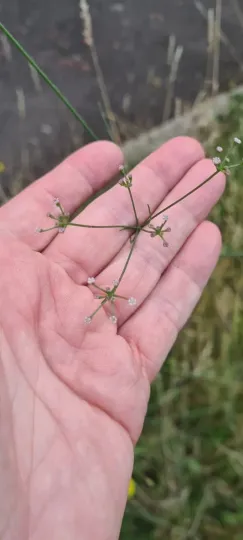
Description
Sowing dates
Corn parsley, botanically identified as Petroselinum segetum, is a fascinating member of the Apiaceae family. Often considered a wild or semi-cultivated herb, it possesses specific traits that distinguish it from the common garden parsley (Petroselinum crispum).
For successful cultivation, sowing should be timed during the early spring once soil temperatures reach approximately 8 degrees Celsius. Direct drilling into prepared seedbeds is the standard practice for this crop, ensuring consistency in row spacing.
The seeds require a refined, crumbly soil structure to germinate efficiently. Planting depth should be maintained at roughly 1 to 2 centimeters. Since germination can be slow, keeping the seedbed consistently moist without waterlogging is vital for achieving a uniform stand.
Rows are typically spaced between 20 and 30 centimeters apart to allow for weed control operations. Once seedlings reach the two-leaf stage, thinning is necessary to ensure each individual plant has adequate room to develop its rosette.
This biennial plant focuses its energy on vegetative growth during the first year. Growers aiming for leaf production must ensure a consistent supply of moisture to prevent the plants from bolting, which would terminate the harvest phase prematurely.
Growing requirements
Corn parsley thrives in well-drained, fertile soil types. It is particularly sensitive to soil compaction and waterlogged conditions, which can lead to root rot and other physiological disorders that reduce plant vigor significantly.
The plant prefers full sun exposure, although it exhibits a degree of tolerance for partial shade. Ideally, the location should have good air circulation to keep the foliage dry, which is a major factor in reducing fungal disease pressure.
Regarding soil chemistry, a neutral pH is ideal for nutrient availability. Organic matter content should be boosted before planting to provide a steady supply of nitrogen and other essential micronutrients required for lush leaf development.
Temperature management is straightforward, as the plant prefers moderate climates. Extremes in heat can stress the herb, leading to bitter-tasting leaves or early maturation, while frost can damage leaves if the plants are not properly hardened off.
Irrigation practices should focus on consistency. Using drip irrigation is often the most effective method, as it minimizes leaf wetting while providing deep soil hydration, promoting a robust and healthy root system that can withstand temporary dry spells.
Main diseases and pests
The most significant threats to Petroselinum segetum include carrot rust flies and aphids. These insects feed on the plant tissues, causing stunted growth and directly damaging the marketability of the harvested product.
Fungal diseases like powdery mildew and various leaf spots are prevalent, especially in high-humidity conditions. Integrated pest management, including crop rotation and the removal of plant debris, is essential to minimize the inoculum in the field.
Weed control is an often overlooked aspect of protection. Weeds not only compete for nutrients and water but also act as alternative hosts for pests and pathogens, complicating the control efforts significantly during the active growing season.
In case of pest outbreaks, growers should utilize certified biological control agents or targeted, low-toxicity insecticides. Applying protective measures preventively is more effective than attempting to mitigate damage once a large infestation has occurred.
Crop monitoring should be conducted weekly to check for the first signs of disease or pest activity. Early detection allows for the application of localized treatments, reducing the need for broad-spectrum chemical interventions.
Harvesting
Harvesting usually involves cutting the outer leaves of the plant, which promotes the emergence of new growth from the central crown. This allows for multiple harvests throughout the season, maximizing the overall yield from a single planting.
The harvest should ideally be done early in the morning, when the plant's moisture content is highest, ensuring that the herbs remain crisp and aromatic. After cutting, the leaves must be kept in a cool environment to maintain freshness.
For bulk storage or marketing, the produce should be cleaned and packed in ventilated containers. Processing methods like air-drying in a cool, dark room allow for long-term storage while preserving the culinary value of the herb.
If the goal is seed collection, harvest is postponed until the second year. The flower heads are harvested once they turn brown, ensuring they are fully mature. Thorough drying and threshing are required to obtain clean, viable seed stock.
Post-harvest field management is crucial for the next cycle. All harvested stalks and debris should be removed from the site to maintain field hygiene and disrupt the lifecycle of pests that overwinter in plant matter.