
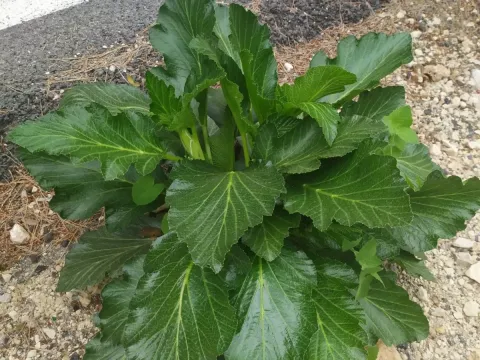
Shining parsnip
Pastinaca lucida
The Shining parsnip (Pastinaca lucida) is a unique perennial plant belonging to the Apiaceae family, native to the Balearic Islands. Cultivating this species requires an understanding of its slow germination cycle and specific environmental preferences.
What the section contains
Shining parsnip
Sowing should ideally take place in early spring or late autumn, depending on local climatic zones. The seeds require consistent soil moisture to break dormancy, as they possess essential oils that can inhibit the water absorption process necessary for germination.
Prepare the seedbed thoroughly by creating a fine, friable tilth to a depth of at least 30 centimeters. This allows the taproot to develop straight and without obstructions, which is essential for achieving a high-quality harvest in this species.
Rows should be spaced approximately 45-50 centimeters apart, with seeds planted at a depth of 1-2 centimeters. Once the seedlings emerge, they should be thinned to ensure a final spacing of 15-20 centimeters between plants to prevent competition for nutrients and light.
It is worth noting that seeds lose viability quickly, so fresh, high-quality material is crucial for successful establishment. If germination is poor, consider pre-soaking the seeds in water for 24 hours to accelerate the process.
This species thrives in sunny, open locations with deep, well-draining soil. It is particularly sensitive to soil compaction, which causes the roots to fork, significantly reducing the market value and physical quality of the harvested crop.
The ideal soil pH for this culture is between 6.5 and 7.5. Soils that are highly acidic should be amended with lime well in advance of sowing to create the necessary conditions for optimal nutrient uptake and root development.
Consistent water supply is essential, especially during the germination phase and the peak of the growing season. However, avoid waterlogged conditions, as the roots are highly prone to rotting if drainage is inadequate, particularly in clay-heavy soil types.
The Shining parsnip performs best in moderate temperatures, typically ranging from 15 to 22 degrees Celsius. It exhibits high tolerance to cold weather, but extreme heat can stress the plants and trigger early bolting, which negatively affects root quality.
Fertilization should be balanced, focusing on potash and phosphate rather than nitrogen. Excessive nitrogen levels encourage excessive vegetative growth at the expense of root storage, potentially leading to a decrease in the overall yield and nutritional quality.
The primary fungal threats to this crop include powdery mildew and leaf blight. These diseases are more prevalent in high-humidity conditions and can severely damage the leaf canopy, thereby reducing the plant's ability to store energy in the root.
Pest management is focused on controlling the carrot rust fly, which is a common adversary for all Apiaceae crops. The larvae tunnel into the root, creating pathways that make the harvest susceptible to secondary infections and rot.
Aphids can also cause significant damage by feeding on the tender new growth, causing the leaves to curl and stunt plant development. Monitoring the undersides of the foliage is key to early detection and effective control.
Crop rotation is the most effective cultural practice to mitigate these threats. By avoiding the planting of Pastinaca lucida in ground previously occupied by carrots or celery, you can interrupt the life cycles of most soil-borne pests and pathogens.
For chemical control, always adhere strictly to pesticide safety guidelines and consider organic alternatives like neem oil if the infestation is localized. Prevention through proper spacing and moisture management remains the best defense against major outbreaks.