
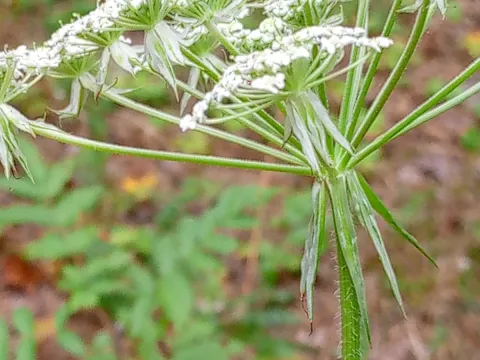
Silphiodaucus
Silphiodaucus
Silphiodaucus is a perennial herbaceous plant belonging to the Apiaceae family. Successful germination usually requires cold stratification, making late autumn sowing the most effective method for this crop in temperate regions.
What the section contains


Silphiodaucus
If spring sowing is planned, seeds must undergo artificial stratification in a controlled cold environment for several weeks before planting. Sowing is performed in rows, with a depth of approximately 1-2 cm to ensure adequate moisture and temperature stability.
This crop thrives in well-drained, fertile soil rich in organic matter. A neutral or slightly acidic pH balance is ideal for ensuring optimal nutrient uptake and strong root system development.
The plant prefers areas with plenty of sunlight but can tolerate partial shade during its early growth stages. Consistent moisture is critical during the first year, particularly during germination and early seedling establishment.
Environmental conditions for Silphiodaucus should mimic its native habitat, with moderate rainfall and temperate summer temperatures. Proper spacing between plants is essential to maintain airflow and prevent humidity buildup around the foliage.
Powdery mildew represents a significant fungal threat, especially in humid and poorly ventilated conditions. Regular monitoring of the foliage for white powdery spots is recommended to initiate early treatment if necessary.
Insects, particularly aphids and various types of lepidopteran larvae, can damage the crop by feeding on young stems and inflorescences. Integrated pest management strategies, including the use of beneficial insects, are highly recommended for large-scale production.
The primary economic focus of this crop is the harvesting of its roots, which are utilized for their chemical properties. The harvest usually occurs at the end of the second or third growing season, once the plant has reached its peak maturity.
Harvesting involves carefully digging up the roots, ensuring they remain intact for processing. Once extracted, the roots are cleaned, dried in controlled conditions to preserve their active compounds, and prepared for industrial or medicinal distribution.