
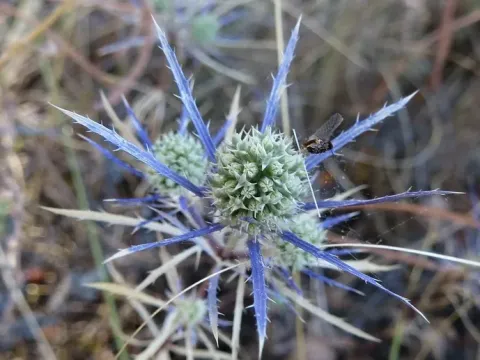
Slender eryngo
Eryngium tenue
Slender eryngo (Eryngium tenue) is an annual herb belonging to the Apiaceae family. This crop is characterized by specific biological development phases that require careful timing during the planting season.
What the section contains
Slender eryngo
The optimal time for sowing in open ground is early spring once the soil temperature stabilizes at 10-12 degrees Celsius. Seeds typically require a period of stratification to improve germination uniformity and overall vitality.
Commercial cultivation practices include both late autumn and early spring seeding. Using a row spacing of 45-60 centimeters is recommended to ensure adequate airflow and facilitate mechanical weeding between the rows.
Seed depth should be maintained between 1 and 2 centimeters. Planting too deeply is a common mistake that can delay emergence or result in seedling failure before the plant reaches the soil surface.
The seeding rate should be calculated based on the purity and germination percentage of the seed lot. Typically, 2 to 4 kilograms of seeds per hectare provide an adequate plant density for optimal yield.
This crop thrives in sunny locations with well-drained, calcium-rich soils. Water stagnation is highly detrimental to the root system and must be avoided through proper site selection and soil preparation.
Slender eryngo is known for its remarkable drought tolerance, making it an excellent candidate for cultivation in arid regions where water resources are limited. It effectively utilizes moisture during the early spring growth phase.
An ideal soil pH range for this species is between 6.5 and 7.5. Acidic soils should be amended with lime well in advance of planting to create a more favorable environment for the root development.
Balanced fertilization is key; while phosphorus and potassium help strengthen the plant's structure and flowering potential, excessive nitrogen should be avoided to prevent weak, succulent growth susceptible to pests.
The crop prefers a temperate climate with stable temperatures. Sudden frost events during the reproductive stage can severely impact the quality and quantity of the final harvest, necessitating protective measures if required.
Powdery mildew represents the primary fungal threat to this crop, especially in conditions of high humidity and poor field ventilation. Regular spacing checks and preventative thinning are the most effective management strategies.
Root rot is often associated with poor drainage or over-irrigation. Maintaining a dry, airy root zone is essential to prevent the spread of soil-borne pathogens that target the delicate roots of young plants.
Aphids and spider mites are typical pests that can cause damage to the foliage and tender flower stalks. Integrated pest management using bio-pesticides or encouraging natural predators is highly recommended.
Slugs and snails can cause significant damage to young seedlings. Implementing physical barriers or using environmentally safe baits around the field perimeter can prevent extensive damage during the early growth stages.
Viral infections transmitted by sap-sucking insects can reduce crop vigor. Effective weed control in and around the plantation is crucial, as weeds often host both the viruses and the vectors that spread them.