
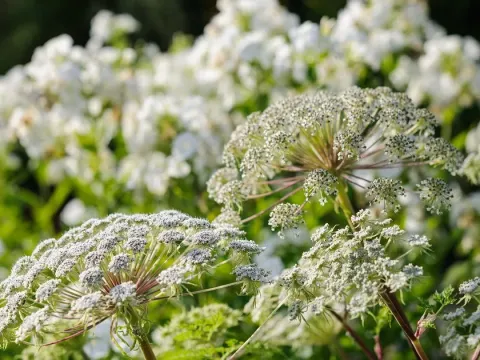
Selinum
Selinum
Selinum is typically sown in early spring, once soil temperatures reach 8–10 degrees Celsius, though autumn sowing is also a viable option. Optimal timing is usually late April to ensure sufficient moisture for seed germination.
What the section contains


Selinum
Seeds should be sown at a shallow depth of 1–2 centimeters, as they require some light for optimal germination. Row spacing should be approximately 45–60 centimeters to allow for efficient weeding and air circulation.
Stratification of seeds is highly recommended if they have been stored for a long period. This process helps to break dormancy and ensures more uniform emergence across the field, which is critical for consistent plant development.
Seedlings grow slowly during the first month, making them vulnerable to weed competition. Regular cultivation or careful hand weeding during the early stages of development is essential to ensure the young plants survive.
Once the plants have developed 3–4 true leaves, thinning is necessary to maintain a spacing of 15–20 centimeters between plants. This creates ideal conditions for the development of strong, healthy roots.
Selinum belongs to the Apiaceae (celery) family and is a perennial herb native to temperate regions of Eurasia. It thrives naturally in moist meadows, forest edges, and near water bodies.
The crop requires well-drained, fertile soils with a neutral to slightly acidic pH. Avoiding waterlogged soils is crucial, as excess moisture can lead to root rot and compromise the health of the perennial crop.
While the plant is sun-loving, it can tolerate partial shade in its early stages of development. Consistent moisture levels are vital throughout the growing season, especially during periods of high heat.
A balanced supply of potassium and phosphorus is important for root development. Excessive nitrogen should be avoided, as it may promote vegetative growth at the expense of root quality, which is the primary value of the crop.
Irrigation is essential in regions with dry summers. Drought stress often forces the plant to bloom prematurely, which degrades the quality and medicinal properties of the harvested roots.
Common diseases affecting Selinum include powdery mildew and gray mold, which are most prevalent in high-humidity conditions. Maintaining proper plant density is a key cultural practice for disease prevention.
Pests like the parsnip webworm or various aphids can cause significant damage to the leaves and flower heads. Integrated pest management, including biological controls, should be employed to protect the crop.
Wireworms pose a major threat by boring into the roots, rendering them unfit for commercial or medicinal use. Deep autumn plowing and crop rotation are effective methods for managing soil-borne insect populations.
Nematodes are another concern in long-term cultivation. To prevent build-up, it is advised to avoid planting Selinum on the same plot more frequently than every four years, strictly adhering to a diverse crop rotation.
Weekly monitoring of the plantation is recommended to identify early signs of infestation. Promptly removing affected plants can significantly limit the spread of diseases and pests across the entire field.
Harvesting the roots for medicinal use takes place in the autumn of the second year of growth. At this stage, the roots contain the highest concentration of active compounds, ensuring high-quality raw material.
Mechanical harvesting using specialized root-digging equipment is the most efficient method. Care must be taken to ensure the roots are not crushed or excessively broken during the digging process.
Following harvest, roots are cleaned of soil and washed thoroughly. They are then sliced into smaller, uniform pieces to facilitate faster and more even drying, preserving their chemical integrity.
Drying should be performed in well-ventilated drying chambers at temperatures not exceeding 50 degrees Celsius. High temperatures can lead to the loss of volatile essential oils, which are crucial for the herb's efficacy.
The final product should be stored in dark, cool, and dry conditions. Proper storage prevents degradation, allowing the herbal raw material to maintain its potency for several years after harvest.