
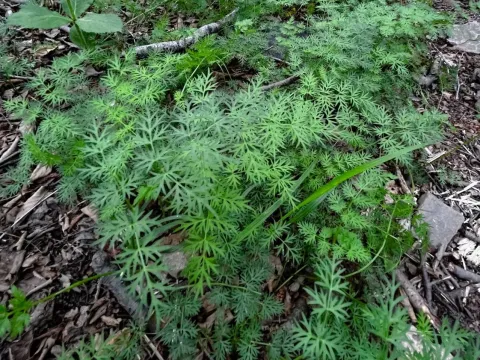
Ligusticum tachiroei
Ligusticum tachiroei
Sowing seeds of Ligusticum tachiroei is best performed in late autumn or early spring after a mandatory period of cold stratification. This culture requires exposure to low temperatures to break dormancy and ensure successful germination.
What the section contains
Ligusticum tachiroei
The sowing depth in open soil should not exceed 1–2 centimeters. It is crucial to ensure good contact between the seeds and moist soil to stimulate early emergence once stable positive temperatures are established.
When using nursery beds or containers, sowing starts in February or March. This method allows for the development of sturdy seedlings before transplanting, which significantly reduces the pressure from weeds during the early stages of growth.
An optimal planting scheme requires spacing between rows of approximately 40–50 centimeters. Between plants in the row, intervals of at least 25 centimeters should be maintained to allow for full development of the root system.
For vegetative propagation using root divisions, planting should be done during the dormant phase. This practice ensures better establishment of the transplants and contributes to a higher quality harvest in subsequent seasons.
Ligusticum tachiroei belongs to the Apiaceae family and naturally prefers the moist mountain slopes of Japan. The crop requires loose, humus-rich soil with a slightly acidic or neutral reaction for optimal performance.
The plant exhibits high frost resistance, yet it suffers from waterlogging in the root zone. To prevent rot, it is necessary to select sites with excellent drainage, avoiding areas prone to flooding during snowmelt.
The culture prefers partial shade, although it can adapt to well-lit conditions if sufficient moisture is provided. Direct, intense sunlight can lead to growth suppression and leaf scorch in warmer regions.
Regular irrigation is a key success factor, especially during the phase of active biomass accumulation. During dry spells, the soil must remain moderately moist, as the plant is highly sensitive to substrate desiccation.
Organic fertilizers are recommended as top dressing, applied to the inter-row spaces at the start of the growing season. Applying mineral complexes with a nitrogen focus promotes intensive development of vegetative mass.
The yield of the culture depends directly on the age of the plantation and the quality of maintenance. The main commercial product is the root, which reaches market maturity by the end of the second or third year of cultivation.
The average yield of rhizomes per hectare, with proper agronomic management, ranges from 1.5 to 3 tons of dried raw material. These figures vary depending on the climatic zone and the specific soil composition of the field.
To increase output, soil mulching with organic matter is highly effective. This helps maintain soil moisture, suppresses weed growth, and improves soil structure, which is critical for the development of underground organs.
Employing intensive irrigation technologies during dry periods can increase root system mass by 20–30 percent. Controlling plant density prevents competition and ensures uniform development across the entire plantation.
Seed production is also an important aspect of industrial farming. With correct agronomic practices, a single healthy adult plant can produce sufficient high-quality seeds to support the expansion of the cultivated area.
Ligusticum tachiroei, like other members of the Apiaceae family, is susceptible to specific diseases under conditions of high humidity. Root rot is the most serious threat, occurring primarily when drainage is neglected.
Pests such as aphids and spider mites can damage the foliage during hot periods. Early detection of pest colonies allows for the use of biological control methods, reducing the need for chemical intervention.
Weeds pose a significant challenge during the first year of growth, when the culture's development is relatively slow. Regular weeding is an essential maintenance task to protect young crops from being overtaken.
Powdery mildew can affect the leaves in crowded plantings with poor air circulation. Maintaining an optimal planting density helps reduce the risk of fungal disease spreading throughout the field.
To prevent soil-borne pathogens, strict crop rotation is recommended. Ligusticum should not be replanted on the same plot for at least 4–5 years following a crop from the same family.
Rhizome harvesting is performed at the end of the growing season, when the above-ground part naturally begins to die back. Usually, this occurs in late autumn or early spring before new buds begin to develop.
Roots are carefully lifted from the soil using mechanical diggers or garden forks to avoid damaging the delicate tissues. Cleaning the roots from soil must be done immediately after harvest to prevent decay.
Following harvest, the raw material is washed in running water to remove soil residue and organic debris. The cleaned roots are sliced into smaller pieces to facilitate efficient drying in specialized chambers.
Drying is carried out at temperatures between 40–50 degrees Celsius until a constant weight is achieved. It is important to avoid overheating, as this leads to the loss of volatile essential oils responsible for the plant's medicinal properties.
The final product should be stored in dry, well-ventilated areas using paper packaging. When stored correctly, the medicinal properties of the Ligusticum root remain stable for up to 2–3 years.