
Lilaeopsis
Lilaeopsis
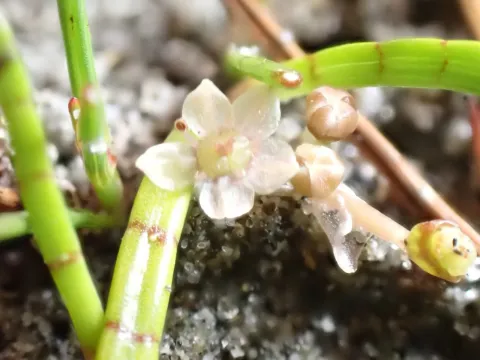
Lilaeopsis is a genus of aquatic or semi-aquatic plants belonging to the Apiaceae family. These plants are native to diverse regions including South America, Australia, and New Zealand, where they typically thrive in marshy habitats and coastal zones of various freshwater bodies.
What the section contains


Lilaeopsis
The botanical structure of Lilaeopsis is characterized by creeping rhizomes that produce upright, grass-like leaves. This growth pattern allows the plant to form dense, low-growing mats, making it an excellent choice for carpet-like aesthetics in aquatic environments.
Cultivation requires high levels of light intensity to maintain a compact growth habit. When light levels are insufficient, the leaves tend to stretch vertically and become sparse, which significantly diminishes the visual impact of the planting.
The choice of substrate is vital for successful establishment. A fine-grained, nutrient-rich substrate allows the rhizome system to spread easily and take root effectively. Regular fertilization is recommended to support rapid horizontal expansion and leaf density.
Temperature requirements are generally moderate, with an ideal range between 20°C and 26°C. Stability in the chemical and physical environment is crucial, as the plant can be sensitive to sudden shifts in water parameters or significant fluctuations in the growing environment.
The most significant threat to Lilaeopsis is the overgrowth of various algae, such as thread algae, which compete for light and nutrients. Heavy algae cover can smother the plant, leading to stunted growth and decay of the carpet layer.
Nutrient deficiencies, particularly involving carbon dioxide and trace elements, often result in chlorosis. During this state, the leaves lose their vibrant green color and may eventually disintegrate if the nutrient balance is not restored promptly.
Substrate compaction is another common issue that inhibits root development. If the sediment becomes too dense or anaerobic, it can trigger root rot, which leads to the collapse of the plant mats and necessitates urgent remediation of the substrate.
Herbivorous aquatic fauna can pose a direct threat to the plant's structural integrity. Certain species of fish or invertebrates are known to nibble on the foliage, which can cause significant damage to the delicate grass-like blades.
Management of these threats involves a holistic approach including regular maintenance, monitoring of water quality, and precise nutrient dosing. Proper planting density and periodic trimming are also effective cultural practices to promote long-term health and vigor.