
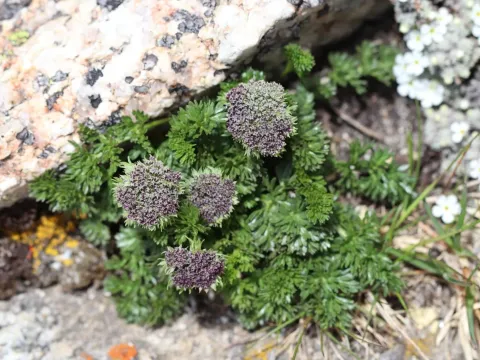
Ligusticum mutellinoides
Ligusticum mutellinoides
Ligusticum mutellinoides seeds require a period of cold stratification to germinate effectively. The most natural method involves sowing seeds outdoors in late autumn, allowing the winter cold to break their dormancy naturally.
What the section contains
Ligusticum mutellinoides
If you prefer spring sowing, perform artificial stratification by placing the seeds in a moist medium within a refrigerator at 2–5 degrees Celsius for approximately eight weeks before planting.
Surface sow the seeds or cover them with a very thin layer of fine soil, as they are small and sensitive to deep planting. Maintain consistent moisture levels using a fine mist spray to keep the seeds hydrated.
Germination is often slow and erratic, so do not discard the pots too early. Once seedlings reach the two-leaf stage, they can be carefully transplanted into larger containers or a permanent growing site.
Ensure the soil in the nursery bed is gritty and well-draining to prevent damping-off diseases during the sensitive initial growth phase of the seedlings.
Ligusticum mutellinoides belongs to the Apiaceae family and is native to alpine and subalpine meadows. It thrives in cool, mountainous climates where the air is fresh and the soil is well-aerated.
The plant requires full sun to partial shade. In warmer regions, it is essential to protect the plant from intense afternoon sun to prevent dehydration and physiological stress.
Soil structure is critical for this species; it must be exceptionally well-draining. Adding gravel or coarse sand to the soil mix mimics its natural rocky habitat and prevents waterlogging around the crown.
It is a highly hardy perennial capable of enduring harsh winters. It does not require special winter protection in most temperate zones, but it does demand proper drainage to survive the thaw period.
Avoid heavy fertilizing with high-nitrogen products, as this encourages lush foliage that may weaken the plant's structural integrity. A light organic dressing in spring is typically sufficient to support annual growth.
As an alpine-adapted species, Ligusticum mutellinoides is relatively resistant to common pests, but it can be susceptible to aphids if grown in high-heat or stagnant air conditions.
Root rot, caused by poor drainage or overwatering, is the primary threat to this crop. Ensuring the planting site has excellent slope or gravel depth will significantly reduce this risk.
Fungal leaf spots may occasionally occur in high-humidity environments. Improving air circulation around the plants and avoiding overhead irrigation can help mitigate these issues effectively.
Slugs and snails can target young seedlings in the spring. Using protective barriers or organic deterrents is recommended during the first weeks of the plant's development to ensure survival.
Proper weed management is essential, as the plant does not compete well with vigorous invasive grasses. Regular hand-weeding around the base is necessary to ensure the plant receives enough light and nutrients.
Leaves for culinary or medicinal use should be harvested just before the plant enters the flowering phase to ensure the peak concentration of essential oils is preserved within the tissues.
Harvest the roots in the autumn of the plant's second or third year. Use a garden fork to gently lift the roots, ensuring you do not snap the delicate taproot during the extraction process.
Clean the harvested roots thoroughly with cold water to remove any clinging grit or soil. Slice the roots into smaller pieces to facilitate an even and rapid drying process.
Dry the plant material in a dark, well-ventilated area away from direct sunlight. High heat should be avoided, as it can evaporate the aromatic compounds responsible for the plant's unique flavor profile.
Once dried, store the product in airtight containers in a cool, dark environment. Properly prepared, the roots retain their potency for up to two years before starting to decline in quality.