
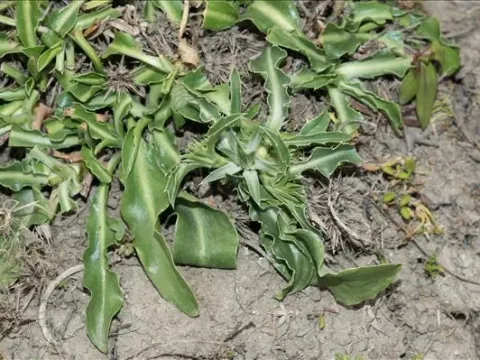
Eryngium pusillum
Eryngium pusillum
Eryngium pusillum is a perennial herbaceous plant belonging to the Apiaceae (carrot or parsley) family. This species is recognized for its small stature and adaptation to harsh environments, making it a unique candidate for specific cultivation purposes.
What the section contains
Eryngium pusillum
The plant originates from arid and semi-arid regions where it thrives in open landscapes with high solar radiation. Its natural distribution emphasizes its high adaptability to environments characterized by limited water availability and nutrient-poor soils.
Cultivation requires well-drained, sandy, or rocky soils that prevent waterlogging. Providing excellent soil aeration is vital for the health of the root system, as this plant is extremely sensitive to moisture accumulation around the crown.
Eryngium pusillum displays remarkable drought tolerance, requiring minimal irrigation once the plants are established. It prefers full sun exposure to maintain its structural integrity and encourage regular development of its characteristic foliage.
Economic uses of this crop include its potential application in the pharmaceutical industry due to its diverse secondary metabolites. Additionally, it serves as an excellent nectar source for pollinators, promoting biodiversity on agricultural land.
The primary threats to Eryngium pusillum plantations are fungal pathogens that proliferate under high humidity conditions. Root rot and powdery mildew are the most common diseases that can significantly reduce crop vigor.
Insect pests such as aphids and spider mites can infest the leaves and stems, particularly during warm and dry periods. If left unchecked, these pests cause chlorosis and stunted growth of the entire plant.
To minimize disease pressure, it is essential to ensure proper spacing between rows to improve air circulation. Avoiding excessive use of organic mulches that retain too much moisture directly against the plant stems is crucial.
Pest management relies on integrated strategies, prioritizing biological control and the removal of highly infected plant debris. Frequent field inspections help in identifying early signs of infestation, allowing for localized treatments.
Maintaining a balanced soil environment and avoiding over-fertilization with nitrogen helps strengthen the plant's natural resistance. Healthy plants are significantly less prone to both pest attacks and opportunistic fungal infections.