
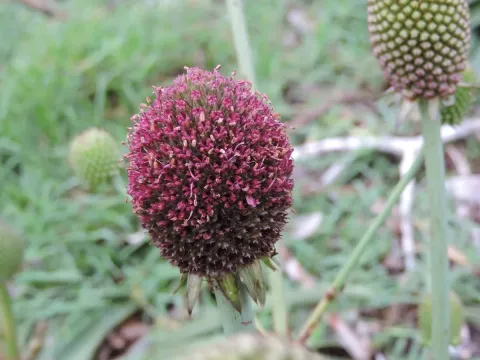
Eryngium sanguisorba
Eryngium sanguisorba
Eryngium sanguisorba is a perennial herbaceous plant belonging to the Apiaceae family. It is typically propagated by seeds, which require a cold stratification period to achieve optimal germination rates before spring development.
What the section contains
Eryngium sanguisorba
Sowing in open ground is most effective when performed in late autumn, allowing the seeds to undergo natural winter chilling. The seeds should be sown at a depth of approximately 1 to 2 centimeters in light, well-draining soil.
For indoor propagation, seeds can be started in early spring in containers kept in cool conditions. This practice ensures that seedlings are ready for transplanting once the risk of severe ground frost has completely passed.
Spacing is a crucial factor for this crop; plants should be set 30–40 centimeters apart to allow for proper airflow and root development. The first year of growth is usually characterized by the establishment of a basal leaf rosette.
In subsequent years, the plant will produce tall, sturdy stems with distinct flower heads. Proper timing of the initial sowing is key to ensuring that the plant establishes a strong taproot before the heat of summer arrives.
This crop thrives in full sun, requiring bright exposure to develop its characteristic structure and color intensity. Shade-grown specimens often exhibit weaker stems and poor flowering performance throughout the season.
The ideal soil for Eryngium sanguisorba is sandy or light loam with excellent drainage characteristics. Heavy or waterlogged soils are detrimental to the plant and often lead to root decay within a single growing season.
The plant is highly drought-tolerant once established, thanks to its deep taproot system. Supplemental irrigation is only necessary during the seedling stage or during extreme, prolonged droughts in mid-summer.
Fertilizer requirements are low, as this plant is well-adapted to nutrient-poor soils. Excessive nitrogen applications can result in overly lush growth that makes the plant susceptible to lodging and reduced hardiness.
Winter care involves keeping the crown free from excessive moisture. In colder regions, a light mulch of organic matter can protect the roots, provided it does not hold excess water against the base of the stem.
Eryngium sanguisorba is naturally resistant to many pests due to its tough, fibrous foliage and chemical defenses. However, poor management practices can create favorable conditions for various pathogens to take hold.
Root rot is the most common threat, usually triggered by poor drainage or overly frequent irrigation. If detected early, improving soil aeration and reducing water input can often save the individual plant from collapse.
Powdery mildew can infect leaves during humid spells with low air circulation. The use of appropriate fungicide sprays and ensuring proper spacing between plants are effective measures for preventing significant outbreaks.
Aphids can occasionally colonize the flower buds, causing malformation. Monitoring should be frequent during the peak growing season, and infestations can be managed using organic insecticidal soaps or systemic treatments.
Slugs and snails can be problematic for younger plants, particularly in wet spring conditions. Barriers or non-toxic traps are recommended to protect the basal foliage from being eaten during the early growth stages.