
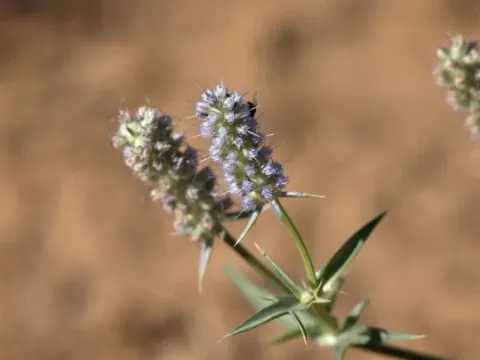
Eryngium plantagineum
Eryngium plantagineum
The sowing of Eryngium plantagineum is typically performed in late autumn or early spring after the seeds have undergone a necessary period of cold stratification.
What the section contains
Eryngium plantagineum
Seeds are sown at a shallow depth of approximately 1–2 centimeters into a well-drained, light soil mixture to ensure optimal germination rates and seedling development.
Field spacing requires about 45–60 centimeters between rows, as the plant grows slowly during its first year, focusing mainly on the establishment of a basal leaf rosette.
Seedlings should be thinned out to maintain a distance of 30 centimeters between plants to prevent competition for light and nutrients as they mature.
When propagating through transplants, it is best to move the young plants to their permanent location once the risk of frost has passed to ensure successful establishment.
As a member of the Apiaceae family, Eryngium plantagineum is highly valued for its exceptional drought tolerance and its ability to thrive in poor, rocky, or sandy soils.
The primary soil requirement is excellent drainage, as the plant cannot tolerate waterlogged conditions, which lead to root rot and eventual failure of the crop.
This species is highly hardy, capable of surviving harsh winters in temperate climates without the need for additional protection or greenhouse conditions.
The plant prefers full sun exposure, which is essential for the development of its characteristic deep-colored inflorescences and the accumulation of secondary metabolites.
Maintenance is minimal, as the deep taproot allows the plant to access moisture from the subsoil, making frequent irrigation unnecessary under standard agricultural conditions.
The main threats to Eryngium plantagineum include fungal infections such as powdery mildew and root rot, which are triggered by poor soil aeration and high humidity levels.
Pest damage from aphids and various moth larvae may occur, though these insects typically do not pose a severe threat unless the plants are already stressed.
Effective management includes maintaining proper ventilation between plants and avoiding over-irrigation, which creates an environment conducive to pathogen growth.
Crop rotation is recommended to prevent the buildup of soil-borne pathogens, especially when the field has previously been used for other Apiaceae family crops.
Integrated pest management strategies should prioritize ecological methods to ensure that the medicinal quality of the harvested material remains high and free from chemical residues.
The harvesting of the foliage and flowering stems takes place during the peak flowering stage when the concentration of bioactive compounds is at its highest level.
Once harvested, the material must be dried in a shaded, well-ventilated area at temperatures not exceeding 40°C to preserve its chemical profile and physical integrity.
Roots are harvested in the autumn after the plant has gone dormant, ensuring that they are washed thoroughly to remove all traces of debris before being dried.
Storage should occur in opaque containers or breathable bags in a dry, dark place to maintain the efficacy of the botanical material for several years.
Quality control during drying is essential to prevent moisture retention, which can lead to rapid deterioration and loss of valuable active ingredients.