
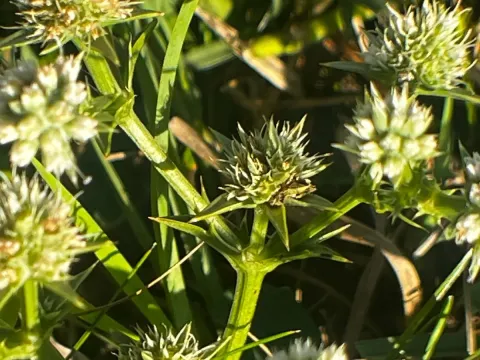
Eryngium nudicaule
Eryngium nudicaule
Eryngium nudicaule seeds require a cold stratification process to break dormancy, making autumn sowing ideal for most temperate regions.
What the section contains
Eryngium nudicaule
For spring sowing, it is essential to treat seeds in a cold environment (2–5°C) for several weeks before planting them in well-prepared seedbeds.
Seeds should be sown at a shallow depth of approximately 1 centimeter, as they require a minimal amount of light to stimulate germination.
Consistent soil moisture must be maintained during the germination phase to ensure a uniform emergence of seedlings across the planting rows.
Once seedlings have reached the two-leaf stage, thinning is necessary to allow for proper air circulation and to prevent the development of damping-off diseases.
Belonging to the Apiaceae family, this species thrives in full sun exposure and is highly adapted to environments with intense light conditions.
The soil must provide excellent drainage, as the plant's taproot system is prone to rot in waterlogged or overly compacted substrates.
Sandy or loamy soil types with a neutral to slightly alkaline pH are considered optimal for maximizing the growth and health of this perennial.
Once established, Eryngium nudicaule exhibits significant drought tolerance, making it a low-maintenance choice for dry landscaping or xeriscaping.
Fertilizer application should be kept at a minimum; excessive nitrogen levels can lead to weak stem development and diminish the plant's characteristic metallic appearance.
Root rot is the most common agronomic issue for this crop, usually caused by poor soil drainage combined with excessive winter precipitation.
Fungal leaf spots can occur under high humidity conditions, requiring proper spacing between plants to facilitate good airflow throughout the canopy.
Insect pests such as aphids and spider mites can occasionally affect the foliage, particularly during prolonged periods of hot and dry weather.
Integrated pest management strategies, including the use of neem oil or targeted insecticides, should be implemented if pest thresholds are exceeded.
Regular monitoring for signs of stress, such as yellowing leaves or wilting, is vital for maintaining a healthy and productive perennial planting.
Harvesting for dried floral arrangements should take place when the flowers are fully developed and have reached their peak color intensity.
Stems must be cut during the day after the morning dew has evaporated to ensure the highest quality and to minimize moisture content in the plant tissues.
Air-drying is the preferred method; bundles should be hung upside down in a dark, dry, and well-ventilated room to preserve the vibrant hues.
Removing spent flower stalks encourages the plant to direct its energy into root development and leaf production for the following season.
The harvested material remains highly durable and aesthetically pleasing for months, making it a valuable crop for the commercial dried flower market.