
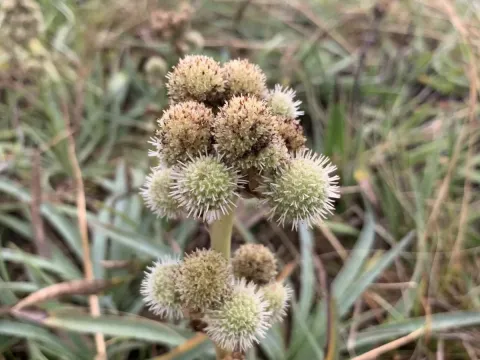
Eryngium megapotamicum
Eryngium megapotamicum
Eryngium megapotamicum is a notable member of the Apiaceae family, characterized by its distinctive structural morphology and resilient perennial nature.
What the section contains
Eryngium megapotamicum
Native to the regions of South America, this plant is adapted to open, sunny landscapes that provide the necessary warmth for its metabolic processes throughout the growing season.
The cultivation of this species requires well-drained soil substrates; it thrives in sandy loams where moisture does not accumulate around the root crown to prevent rotting.
Regarding climate, the plant exhibits a preference for temperate conditions with significant sunlight exposure, which is crucial for the development of its vibrant floral display.
Proper agronomic management involves regular maintenance of soil aeration and controlled irrigation, ensuring that the moisture levels remain consistent but never excessive.
The primary threats to Eryngium megapotamicum include soil-borne pathogens and root rot, which are often triggered by improper drainage systems in the field.
Fungal pathogens such as powdery mildew may affect the foliage during periods of high humidity, requiring careful observation and prompt application of fungicides.
Insect pests, including aphids and leaf-chewing caterpillars, can cause localized damage to the inflorescences, thereby reducing the ornamental or seed-producing value of the crop.
Effective pest management strategies involve regular scouting and the use of integrated control methods to maintain the health of the plant population without overuse of chemicals.
Maintaining optimal spatial density between individual plants is vital to promote air circulation, which naturally limits the spread of both fungal spores and insect infestations.