
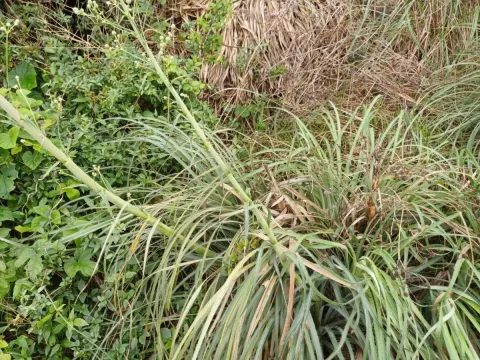
Eryngium regnellii
Eryngium regnellii
Eryngium regnellii is a perennial herbaceous plant belonging to the Apiaceae family. It is recognized for its structural inflorescences and distinctive, rigid bracts, which contribute to its aesthetic appeal in both landscape architecture and floral design.
What the section contains
Eryngium regnellii
The plant originates from South America, specifically native to regions in Brazil. Its natural habitat includes open grasslands and meadows, which indicates a preference for environmental conditions that provide high solar exposure and well-ventilated spaces.
Regarding soil requirements, Eryngium regnellii thrives in well-drained, fertile soil. While it is adaptable to various soil types, maintaining a neutral or slightly acidic pH is ideal for ensuring optimal nutrient uptake and long-term health of the root system.
The cultivation of this species requires minimal maintenance once established, as it is naturally adapted to survive periods of moderate moisture deficiency. Regular weeding and maintaining adequate spacing are essential to ensure that the plants do not compete for resources.
The main commercial utilization of Eryngium regnellii is within the ornamental plant industry and the dried flower market. Its inflorescences maintain their structural integrity and unique color well after harvest, making them a popular choice for professional florists.
The primary threats to this culture are fungal diseases, particularly those affecting the crown and roots, which are typically exacerbated by poorly drained soil or excessive precipitation during the dormant season.
Insect pests, such as aphids and spider mites, are common occurrences that may require integrated pest management strategies. Monitoring for symptoms of infestation is recommended during the peak growing season to prevent damage to the flower stalks.