
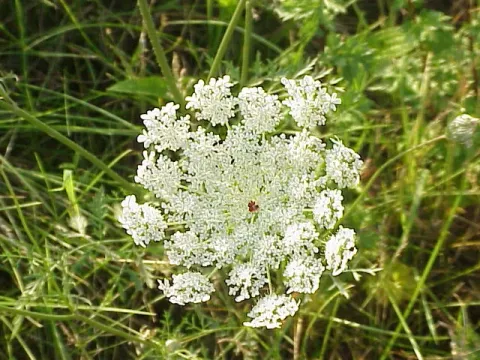
Rouy's carrot
Daucus rouyi
Daucus rouyi is a botanical species within the Apiaceae family, characterized by its resemblance to wild carrot relatives. It serves as a specialty crop, valued for its unique biological adaptation to specific ecological niches.
What the section contains
Rouy's carrot
The plant thrives in well-drained, porous soils. Soil aeration is critical for the development of its taproot system; therefore, heavy or compacted soils should be avoided to prevent physiological disorders and root rot.
Light requirements are significant for this species, as it is a sun-loving plant. Exposure to full sunlight throughout the day is essential for robust growth and the proper metabolic development of the plant tissues.
Climate preferences involve warm and temperate conditions. While the plant is drought-tolerant once established, a consistent moisture supply during the germination phase is necessary to ensure uniform stand density.
Agronomic management practices should prioritize weed control in the early growth stages, as seedlings are susceptible to competition from faster-growing species. Controlled fertilization is recommended to avoid excessive vegetative growth.
Fungal diseases are the primary threat to Daucus rouyi, especially in regions with high humidity or poor drainage. Powdery mildew and root rot pathogens can spread rapidly if the air circulation around the plants is insufficient.
Pest pressures are similar to those of common carrots, with the carrot fly being a notable concern. Larval activity can destroy the root structures, necessitating integrated pest management strategies to protect the yield.
Proactive management includes crop rotation with non-host species, which disrupts the life cycle of soil-borne pathogens and pests. This practice is essential for maintaining the long-term productivity of the land.
Biological monitoring is highly recommended to detect early signs of infestation. Using pheromone traps and encouraging beneficial predator insects can help maintain an ecological balance on the farm.
- Maintenance of proper plant spacing for airflow.
- Removal of infected debris to lower pathogen load.
- Judicious use of irrigation to prevent surface crusting.