
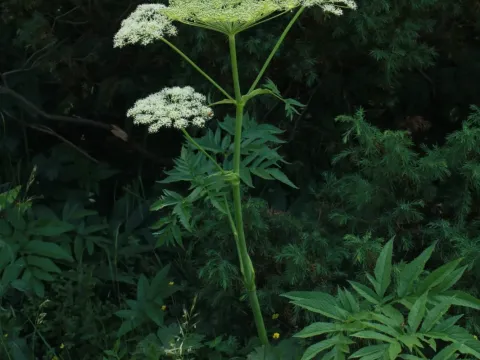
Razul's Angelica
Angelica razulii
Razul's Angelica (Angelica razulii) is a distinctive member of the Apiaceae (Umbelliferae) family. Originating from the mountain ranges of the Pyrenees, it is adapted to cool, moist environments typical of high-altitude ecosystems.
What the section contains
Razul's Angelica
The botanical structure of this species includes a sturdy, often perennial root system and a rosette of large, compound leaves, followed by tall flowering stalks typical of the genus Angelica. It is highly valued for its specialized role in alpine-style herb gardens and potential medicinal applications.
Regarding soil requirements, the plant thrives in well-drained, humus-rich, and slightly acidic to neutral soils. It absolutely requires soil with high permeability; water stagnation is a primary cause of plant death, making raised beds an ideal choice for intensive cultivation.
Climatic requirements focus on avoiding extreme heat. Razul's Angelica prefers sites with partial shade or consistent moisture if exposed to full sun. It does not perform well in lowland areas with hot, dry summers unless micro-climatic adjustments are made.
Successful farming of this crop relies on careful site preparation. Soil amendments like compost and organic mulch are recommended to maintain soil structure and provide the slow-release nutrients necessary for healthy foliage development throughout the growing season.
The crop is susceptible to a variety of fungal diseases, primarily root rots caused by Phytophthora and Pythium species, which thrive in waterlogged conditions. Ensuring proper drainage is the most effective preventative measure for farmers.
Pest pressure often includes aphids, which target the tender new growth of the flower stalks. These pests can transmit viral pathogens, necessitating early identification and intervention to prevent localized outbreaks across the field.
Leaf-mining insects can also affect the quality of the foliage. These pests create tunnels within the leaf tissue, which not only affects the aesthetic value of the plant but can also weaken its vigor by reducing the total photosynthetic area.
Integrated Pest Management (IPM) is highly encouraged for this crop. Using biological controls, such as introducing predatory ladybugs, helps manage aphid populations without contaminating the plant's leaves or stems.
Good cultural practices, such as maintaining adequate space between plants to allow for airflow, significantly reduce the incidence of powdery mildew, which can become a major concern during humid late-summer periods.