
Scaligeria
Scaligeria
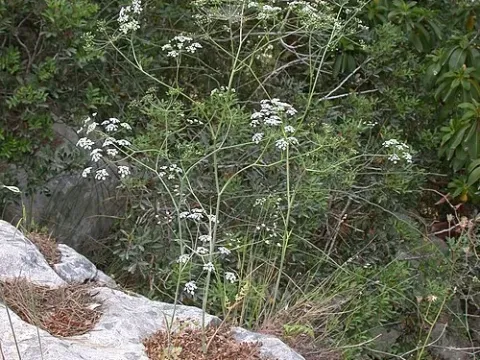
Scaligeria is a genus of perennial herbaceous plants belonging to the Apiaceae family. These plants are native to rocky slopes and mountain regions of the Mediterranean, the Caucasus, and Western Asia, where they thrive in well-drained, nutrient-poor substrates.
What the section contains
Scaligeria
Botanically, they are distinguished by basal rosettes of deeply divided leaves and complex umbel inflorescences. Their root systems are often thick and taproot-like, an evolutionary adaptation that allows them to survive significant periods of summer drought in their native habitats.
Cultivation of Scaligeria requires a site with excellent drainage and full sun exposure. They are particularly well-suited to rock gardens or xeriscaping, provided the soil is not overly rich in organic matter, as they prefer alkaline or neutral mineral-based soils.
Agricultural practices for this genus emphasize low-maintenance care. Watering should be infrequent and deeply applied, avoiding any waterlogging that could lead to the decay of the taproot. They do not tolerate transplanting well once established, so initial site selection is crucial.
While not a major commercial crop, Scaligeria is of interest to botanical gardens and enthusiasts of native flora. Its resilience to harsh environmental conditions makes it a potential candidate for sustainable gardening in arid or semi-arid climates.
The primary threats to Scaligeria in a garden setting involve fungal pathogens, particularly root rot, which typically occurs when the soil remains too moist. Proper drainage is the most effective preventative measure against these conditions.
Pests such as aphids and umbellifer-specific leaf miners can damage the foliage. Monitoring the plants during the active growth phase allows for early intervention, preferably using mechanical removal or soft biological soap sprays.
Poor air circulation, especially in humid conditions, can lead to powdery mildew outbreaks. It is recommended to plant specimens with sufficient spacing to ensure that foliage dries quickly after rainfall or irrigation.
Like many Apiaceae species, Scaligeria is susceptible to soil-borne pathogens if grown in areas previously occupied by other related vegetables like carrots or parsley. Maintaining a healthy soil microbiome is vital for plant longevity.
During winter, protection against excessive moisture is often more important than protection against cold. Using a gravel mulch around the crown can help keep the base of the plant dry, preventing rot during the dormant season.