
Scandix
Scandix
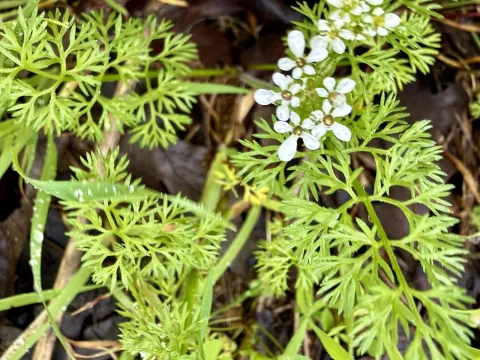
Scandix is a genus of annual plants belonging to the Apiaceae family. The most prominent species, Scandix pecten-veneris, is widely known for its distinct seed pods that resemble a needle or a comb, leading to the common name shepherd's needle.
What the section contains

Scandix
Sowing should be performed in early spring as soon as the soil becomes workable. The seeds require consistent moisture for germination and are typically planted at a depth of 1.5 to 2 centimeters to ensure proper establishment.
Optimal row spacing for this crop is between 20 and 25 centimeters. This spacing allows for adequate airflow and weed control throughout the early stages of growth, preventing the plants from competing for nutrients.
For regions with milder climates, autumn sowing is also a viable option. Plants established before winter tend to develop more robust root systems, which often results in earlier and more vigorous growth in the spring.
Maintaining a steady supply of fresh greens can be achieved by successive sowing every few weeks. This practice ensures that the crop is always harvested at its peak quality, avoiding the woody texture that occurs during flowering.
Scandix thrives in well-drained, fertile soil. While it is adaptable to various soil types, sandy loam with a neutral pH is considered ideal for achieving the best vegetative growth and aromatic profile.
Sunlight is critical for the development of Scandix. The plants require a site that receives full sun for the majority of the day to maintain their vigor and prevent the stems from becoming weak or etiolated.
Water requirements are moderate, but consistent soil moisture is essential during the germination phase. Once established, the plants are relatively resilient but should not be subjected to prolonged drought periods.
Temperature plays a significant role in the plant's life cycle. The ideal range for growth is between 15 and 22 degrees Celsius. High heat, especially combined with low humidity, can trigger premature bolting.
The use of balanced organic fertilizers can enhance yields. However, excessive nitrogen application should be avoided, as it can lead to lush vegetative growth that is more susceptible to disease and pests.
Common threats to Scandix include fungal infections such as powdery mildew, especially in humid conditions with poor air circulation. Management includes thinning the stands to ensure adequate ventilation.
Pests like aphids and carrot rust flies can be problematic. Regular scouting of the fields is necessary to identify infestations early, allowing for timely intervention before the pest population expands significantly.
Integrated pest management strategies, such as crop rotation and the introduction of beneficial insects, are highly recommended to minimize the reliance on chemical pesticides and preserve soil health.
Viral diseases can also affect this crop, often transmitted by insect vectors. Keeping the surrounding area free of weeds that serve as alternative hosts is a crucial cultural control measure.
Constant monitoring for symptoms such as leaf yellowing, stunting, or wilting is vital. Early diagnosis of these problems can significantly reduce the risk of large-scale crop losses.
Harvesting for fresh greens is best done when the plants are in the rosette stage. At this point, the leaves are tender and contain the highest concentration of aromatic compounds suitable for culinary applications.
When harvesting for seeds, one must wait until the pods have fully matured and transitioned to a dark, dry state. The pods are then carefully gathered to prevent shattering and loss of the seed material.
Care should be taken to clean the harvested material, removing any soil or debris. For fresh-market produce, keeping the greens cool and moist is essential to prevent wilting during transport.
Post-harvest handling also includes sorting the produce by size and quality. High-quality standards at this stage are necessary to meet the expectations of consumers or industrial buyers.
- Manual trimming of foliage
- Drying of seed stalks
- Grading for quality control
- Cold storage for shelf-life extension