
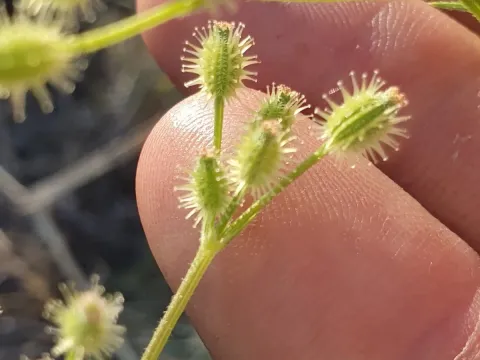
Daucus glochidiatus
Daucus glochidiatus
Sowing of Daucus glochidiatus is ideally performed in the autumn season, mimicking the natural germination cycle of this species found in Australian landscapes.
What the section contains
Daucus glochidiatus
For agricultural cultivation, early spring sowing is an alternative, provided that soil temperatures have risen sufficiently to trigger uniform seed germination.
The seeds should be sown at a shallow depth of approximately 1 centimeter, as they require sufficient access to light to successfully break dormancy.
Proper row spacing is critical, typically ranging from 30 to 45 centimeters, to ensure adequate airflow and prevent the development of moisture-related issues.
It is recommended to use high-quality, pre-cleaned seed material to ensure that plant density remains within the desired parameters for optimal crop development.
Daucus glochidiatus belongs to the Apiaceae family and is known for its adaptation to arid and semi-arid environments, favoring well-drained soil types.
The plant thrives in full sunlight, as it requires high solar radiation levels to complete its vegetative and reproductive cycles successfully.
Soil structure should be loose and sandy-loam, which facilitates the rapid downward penetration of the primary taproot characteristic of this species.
While the plant is drought-tolerant, supplemental irrigation during the initial germination phase significantly improves survival rates and biomass accumulation.
Nutrient management focuses on moderate nitrogen application, with a stronger emphasis on phosphorus to promote robust root system development and flower head quality.
The primary biotic threats include aphids, which can severely damage the floral parts and inhibit the plant's ability to produce viable seeds.
Fungal diseases are a concern in high-humidity conditions; therefore, proactive monitoring for symptoms such as leaf spotting or stem rot is highly recommended.
Soil-borne nematodes can pose a significant challenge in continuous cropping systems, necessitating long intervals between plantings in the same field.
Integrated Pest Management (IPM) strategies, including the use of beneficial predatory insects, are effective for controlling minor outbreaks of sap-sucking pests.
Strict hygiene measures, including the removal of infected debris after harvest, are essential to maintain the health of the field for the subsequent season.
Harvesting is initiated once the flower heads have matured and turned a characteristic brown color, indicating that the seeds have reached physiological ripeness.
Mechanized harvesting should be carried out during the early morning hours to minimize the risk of seed shattering due to midday heat or physical impact.
After cutting, the biomass must be dried in open, ventilated areas to reduce the internal moisture content, preventing fungal growth in storage.
Processing involves threshing the dried flower heads and using air-blowing equipment to remove the specialized prickly structures attached to the seeds.
The final cleaned product should be stored in temperature-controlled environments to maintain long-term seed viability and germination vigor.