
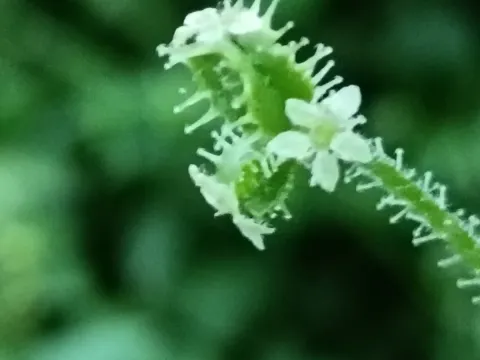
Drusa
Drusa
Sowing of the Drusa crop should be performed when the soil temperature at the planting depth reaches a consistent range of +12 to +15°C.
What the section contains

Drusa
The optimal planting window generally occurs in mid-May, which helps the young seedlings avoid the risks associated with late spring frost events.
Agronomists recommend a row-planting technique with spacing between 30 and 45 centimeters to ensure each plant receives adequate nutrients and light.
Seed depth should strictly remain within the 3–4 centimeter range to prevent delayed germination and to maximize the percentage of uniform field emergence.
Post-sowing soil compaction (rolling) is an essential agricultural step to improve moisture contact, which directly enhances the speed and quality of sprouting.
Drusa is a photophilous plant that requires open, sunny environments to thrive and reach its maximum potential for biomass and yield development.
The crop prefers well-aerated, fertile loam or sandy-loam soils with a neutral pH, providing the ideal conditions for its vigorous root system to establish.
Good drainage is crucial, as waterlogged conditions lead to rapid root deterioration and significantly increase the susceptibility of the crop to infections.
Applying organic matter, such as well-rotted compost, during the fall tillage period prepares the soil structure to support sustained growth throughout the season.
Effective moisture management during the active growth phase, particularly during flowering, is vital to prevent plant stress and optimize overall field health.
The primary threats to the crop include various fungal pathogens that cause root rot and wilting, especially in environments with excess soil moisture.
Pests such as wireworms and cutworms pose a significant risk to the plant's root system and vegetative parts, potentially reducing plant population densities.
Crop rotation protocols are highly recommended to disrupt the life cycles of soil-borne diseases and pests, ensuring long-term sustainability of the field.
Regular field scouting is essential to identify early signs of infestation and to apply targeted protective treatments according to regional regulations.
Modern integrated pest management strategies should combine cultural practices with appropriate chemical or biological controls to protect the crop effectively.