
Dethawia
Dethawia
Dethawia is a genus of perennial herbaceous plants belonging to the Apiaceae family. In an agricultural context, it is considered a niche crop, primarily recognized for its specific habitat requirements in alpine or sub-alpine regions of Europe.
What the section contains

Dethawia
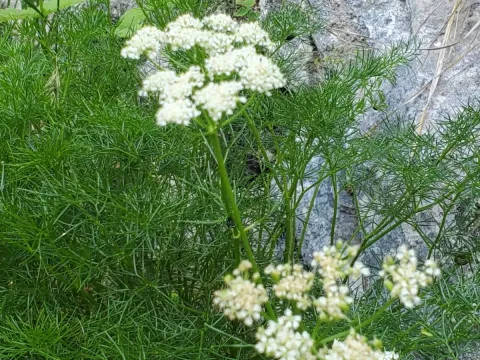
The botanical structure of Dethawia typically features finely dissected leaves and characteristic umbelliferous inflorescences. Its root system is specialized, allowing the plant to thrive in rocky or loose soil structures common in its native high-altitude environment.
Regarding climate requirements, Dethawia prefers cool, humid environments with distinct seasonal temperature shifts. It is sensitive to extreme heat and prolonged dry spells, which necessitates careful site selection and microclimate management for successful production.
Soil requirements are focused on drainage and aeration. Dethawia performs best in neutral to slightly acidic soils that are well-drained. The presence of excessive moisture in the root zone must be avoided to prevent physiological stress and disease development.
The commercial potential of this crop lies in its secondary metabolites, particularly essential oils. While not a commodity crop, it remains a subject of interest for small-scale botanical and specialty essential oil production projects.
The primary threats to Dethawia involve fungal pathogens that proliferate in stagnant air or excessively damp soil conditions. Root rot and leaf spot diseases are among the most common issues observed in cultivated specimens.
Pests such as aphids and spider mites are frequent adversaries in drier months. These pests can rapidly colonize foliage, significantly reducing the vigor of the plant and diminishing the quality of the harvested biomass.
To mitigate these risks, maintaining proper planting density is essential for ensuring adequate airflow through the canopy. Regular monitoring for early signs of infestation or infection allows for timely intervention before the spread becomes uncontrollable.
Effective agrotechnical practices, including appropriate crop rotation, are crucial to prevent the build-up of soil-borne pathogens. Avoiding the planting of Dethawia after other Apiaceae crops can significantly reduce the risk of shared diseases.
In cases of high pest pressure, integrated pest management strategies are recommended. The use of biological controls is preferred to preserve the chemical purity of the plant material, which is often its primary value in industrial applications.