
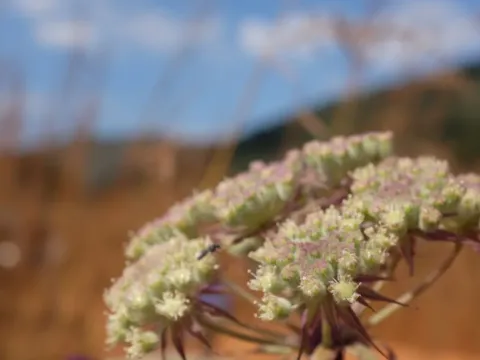
Diplolophium
Diplolophium
The sowing of Diplolophium is typically conducted in autumn or early spring following a period of natural stratification. Optimal soil temperatures for germination range from 10 to 12 degrees Celsius, which encourages uniform emergence of the seedlings.
What the section contains
Diplolophium
Seeds should be planted at a depth of 1.5 to 2 centimeters to ensure adequate contact with moisture while allowing for proper light exposure. Pre-sowing preparation of the field is vital; the soil must be tilled thoroughly to remove weeds and create a loose, friable seedbed.
Applying a light mulch or utilizing agricultural fabric after sowing helps retain soil moisture, which is critical during the fragile germination stage. This protective layer prevents the surface from crusting and protects seeds from being washed away by rain.
The planting scheme should accommodate the significant size of mature plants, requiring row spacing of approximately 40 to 50 centimeters. This distance ensures adequate aeration and sunlight penetration, which are essential for robust plant development.
If sowing in the spring, regular irrigation is mandatory until the true leaves are well-developed. Drought conditions during the early growth phase can severely inhibit development and lead to poor crop establishment.
Diplolophium, a member of the Apiaceae family, thrives in locations with sufficient sunlight, though it benefits from light shade during the peak heat of the day. The site should be protected from strong, drying winds that can cause damage to the flowering stems.
The soil must be well-drained and rich in organic matter. Heavy clay soils, which are prone to waterlogging, should be amended with organic compost or coarse sand to improve drainage and aeration, fostering healthy root growth.
While the crop has moderate moisture requirements, it is essential to maintain consistent hydration levels. Waterlogging must be strictly avoided, as it increases the risk of root rot and other fungal diseases, which are particularly damaging to the plant.
A soil pH ranging from neutral to slightly alkaline is ideal for optimal nutrient uptake. On acidic soils, stunted growth and leaf chlorosis are common; therefore, liming the soil prior to planting is a necessary agronomic intervention.
Regular cultivation of the rows is encouraged to promote soil aeration and prevent compaction. Balanced mineral fertilization during the rapid growth phase supports the development of healthy vegetation and increases overall yield potential.
Fungal diseases, especially powdery mildew, are common threats to Diplolophium in conditions of high humidity and poor airflow. Managing plant density and ensuring proper ventilation are the best preventive strategies to maintain a healthy crop.
Root rot is a major concern when irrigation management is poor or drainage is inadequate. Pathogens flourish in soggy, stagnant soil, making the maintenance of a well-drained environment the primary defense against these diseases.
Pests like aphids and spider mites can infest the foliage, particularly during hot, dry spells. Regular scouting is essential, and biological control methods are preferred to minimize chemical residues while effectively controlling pest populations.
Nematodes can pose a hidden threat, attacking the root system and causing premature wilting. Using clean planting material and practicing proper crop rotation are critical steps in managing soil-borne pests over multiple growing seasons.
Prompt intervention is required upon the first sign of pest activity or disease development. Using integrated pest management techniques, such as spot treatments and removing infected debris, helps protect the overall health of the cultivation area.