
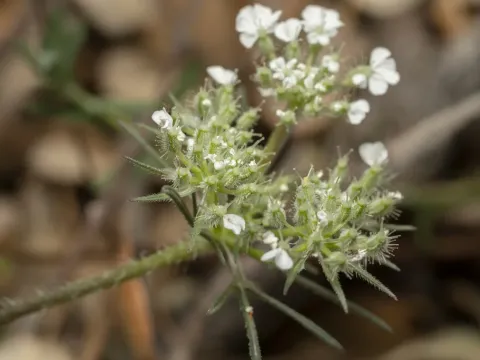
Daucus guttatus
Daucus guttatus
Daucus guttatus, commonly known as a type of wild carrot, is an herbaceous plant species belonging to the Apiaceae family. It is recognized for its unique floral characteristics and its adaptation to specific ecological niches.
What the section contains
Daucus guttatus
The sowing process typically occurs in the spring when soil temperatures reach a stable range of 10 to 15 degrees Celsius. Ensuring the substrate is moist is essential to trigger the germination process of the seeds.
Seeds should be sown in shallow rows to allow adequate access to sunlight and air. Due to their small size, they require minimal soil coverage, usually no more than one centimeter deep, to maximize emergence rates.
The plant demonstrates high adaptability to diverse environments but prefers well-prepared soilbeds free from competition with aggressive weeds during its early seedling stages.
It is capable of natural self-seeding in favorable conditions, which is a key biological strategy for the species to colonize open patches of terrain in its native range.
Daucus guttatus thrives in sunny, well-lit environments. It is highly tolerant of Mediterranean-type climates, characterized by dry summers and mild, moist springs that support the plant's development.
Regarding soil, the species prefers light, porous textures such as sandy or gravelly soils. Good drainage is vital, as the plant is susceptible to root rot if water accumulates for extended periods.
While it is drought-tolerant, supplemental irrigation during the seedling stage can significantly improve the establishment and biomass production of the plant.
Fertilizer application should be balanced, as excessive nitrogen may promote unwanted vegetative growth rather than root or seed development. Moderate phosphorus application is often beneficial for overall plant health.
Maintaining clear spaces between plants is essential for ensuring good airflow, which is a critical factor in preventing fungal outbreaks in dense plantings.
Like many members of the Apiaceae family, Daucus guttatus is susceptible to carrot flies, which can damage the roots and weaken the plant's structural integrity.
Fungal infections, particularly powdery mildew and Phoma root rot, are common threats, especially in humid conditions with poor ventilation. Regular monitoring of the leaves and stems is necessary for early detection.
Aphids represent a significant challenge as they not only feed on plant sap but also act as vectors for various plant viruses that cause leaf chlorosis and stunted growth.
Integrated pest management, including the use of beneficial insects and biological fungicides, is recommended to keep pest populations at bay while preserving the plant's health.
Removing plant debris after the growing season is a crucial step in breaking the disease cycle and preventing the overwintering of pathogens that could affect future crops.
The harvest of seeds should be carried out once the flower heads have dried and changed color, indicating that the seeds have reached full maturity.
Careful harvesting methods, such as manual collection or specialized threshing, ensure the integrity of the seeds and prevent loss during the collection process.
If the roots are being harvested for research or specific uses, they should be extracted before the onset of the plant's dormant phase to ensure high quality and freshness.
Post-harvest, the material must be dried in a well-ventilated, shaded environment to prevent fungal growth caused by excess moisture trapped within the plant tissues.
Storage requires cool, dry conditions with low humidity levels. Proper packaging in breathable materials helps maintain seed viability for future use in research or conservation efforts.