
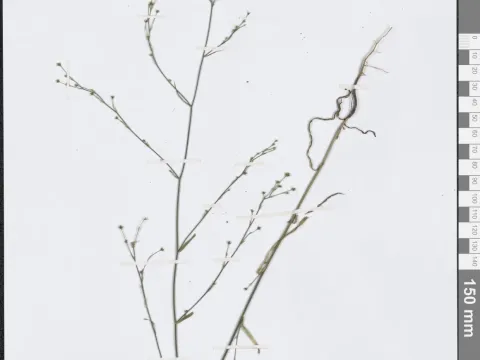
Bupleurum asperuloides
Bupleurum asperuloides
Bupleurum asperuloides is a perennial herbaceous plant belonging to the Apiaceae family. It is recognized for its adaptation to mountainous terrains, naturally occurring on rocky slopes throughout Central Asia.
What the section contains
Bupleurum asperuloides
The plant requires well-drained, neutral or slightly alkaline soil types for optimal development. It is highly sensitive to waterlogging, which often leads to root rot; therefore, light and sandy loam soils are the most suitable for cultivation.
This species is highly photophilous, requiring full sun exposure to thrive. Insufficient light significantly inhibits the accumulation of essential secondary metabolites, which are crucial for its medicinal value.
Regarding climate, the plant prefers areas with significant diurnal temperature fluctuations, which trigger its natural physiological processes. It exhibits high winter hardiness but requires a stable snow cover in regions with severe frosts.
Agricultural management should focus on maintaining adequate aeration of the soil. Fertilizer application must be balanced, focusing on mineral nutrients while avoiding excessive nitrogen that encourages weak tissue growth.
The most common disease threat for this crop is powdery mildew, which often manifests during periods of high humidity combined with stagnant air between rows.
Pests such as aphids and spider mites can colonize the crop during the early stages of vegetation, requiring early detection and potential application of targeted insecticidal treatments.
Root rot caused by soil-borne fungi is a major threat in fields with poor drainage or during seasons of excessive rainfall. Proper crop rotation is the primary defense strategy against such pathogens.
Weed control is essential to minimize competition for nutrients and moisture. Mechanical weeding is preferred over chemical herbicides, as the chemical profile of this plant can be altered by synthetic compounds.
Overall plant health is best maintained through consistent monitoring and the removal of infected plant debris, which helps prevent the overwintering of pathogens in the field.