
Bupleurum barceloi
Bupleurum barceloi
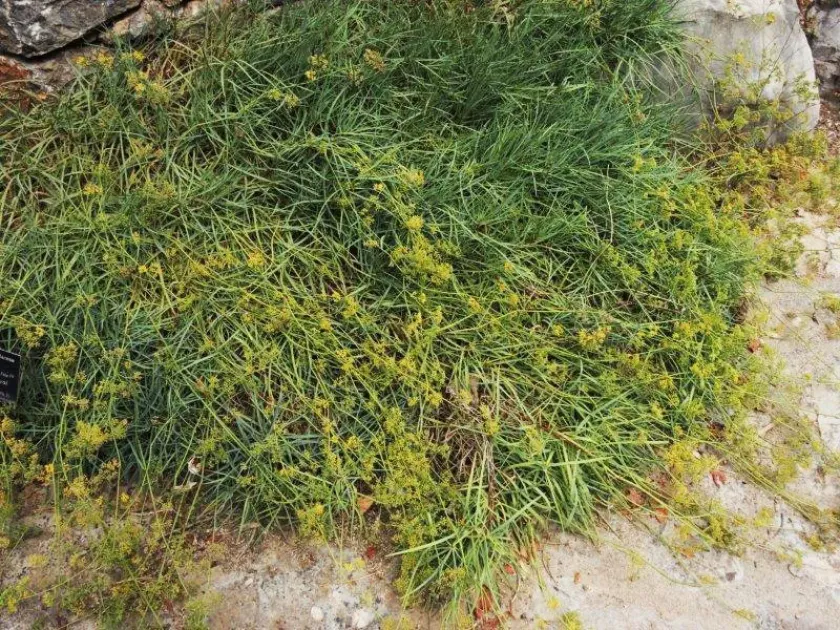
Description
Growing requirements
Bupleurum barceloi is an interesting representative of the Apiaceae family, endemic to the Balearic Islands. As a botanical subject, it is highly valued for its unique phytochemical profile, necessitating specific conditions for successful cultivation outside of its natural habitat.
The crop thrives in well-drained, calcareous soils that mimic its native rocky terrain. Soil aeration is essential, as the plant is susceptible to root diseases caused by waterlogging or poor drainage, which can rapidly diminish crop health and yield potential.
Climate-wise, Bupleurum barceloi requires a Mediterranean-type environment with significant exposure to direct sunlight. The plant is well-adapted to high light intensities and periods of moderate drought, which are common in its natural range during the summer months.
Agricultural management should prioritize the maintenance of an open canopy to ensure adequate air circulation. This reduces the risk of moisture accumulation near the crown of the plant, which is critical for preventing early-stage developmental issues during the wet spring seasons.
Nutrient requirements for this crop are relatively modest compared to traditional commercial species. Applying high levels of fertilizers should be avoided to prevent excessive vegetative growth, which can make the plant more vulnerable to physical stress and pests.
Main diseases and pests
Root rot is the most significant pathological threat to Bupleurum barceloi, typically triggered by improper irrigation practices or poor soil structure. Consistent monitoring of soil moisture levels is the primary defense strategy for any grower managing this species.
Fungal diseases like powdery mildew are common occurrences when environmental humidity is high and airflow is restricted. Implementing proper plant spacing is necessary to create a microclimate that prevents the spread of airborne spores between individual plants.
Insects, particularly aphids, pose a recurring challenge for this culture. These pests tend to congregate on young, tender tissues, siphoning off nutrients and potentially transmitting viral pathogens that can affect the overall quality of the harvested biomass.
Soil-dwelling organisms represent a secondary but significant risk. The root systems must be monitored for signs of damage from larvae or nematodes, especially when the crop is cultivated repeatedly on the same land without proper fallow or rotation periods.
The control strategy for Bupleurum barceloi should focus on integrated pest management (IPM) practices. Emphasizing cultural controls and biological deterrents helps maintain the purity of the plant material, which is often essential for its final market application.