
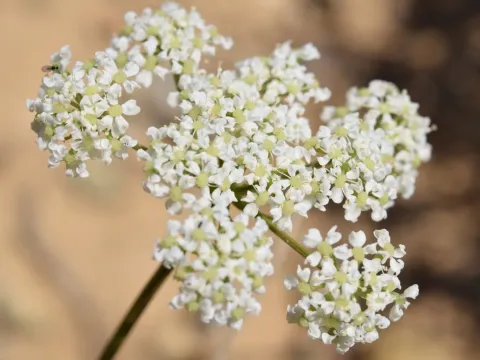
Bunium
Bunium
Bunium is a perennial herbaceous plant that belongs to the Apiaceae family. Sowing is typically performed in early spring once the soil temperature is stable enough to ensure germination. In some regions, autumn sowing can be practiced if the winter conditions are mild.
What the section contains


Bunium
The seeds should be planted at a shallow depth of 1–2 centimeters, as they require consistent moisture for successful emergence. Because Bunium seeds have a period of natural dormancy, stratification or pre-sowing treatment can be used to improve germination rates in a field setting.
Optimal spacing is crucial to allow the plant to develop its fleshy root system. Rows should be spaced 45–60 centimeters apart, which also allows for mechanical weeding. Weed control is essential during the first year, as the plant grows very slowly and can be easily choked by weeds.
Selection of the site should focus on fields free from deep-rooted perennial weeds. Bunium thrives in open, sunny locations where there is minimal competition from other aggressive grass species that might compete for soil nutrients and light.
Consistent irrigation after planting is necessary to prevent the topsoil from drying out. Even a brief dry spell during the germination phase can significantly reduce the final density of the stand, impacting the overall productivity of the crop.
Bunium requires well-drained, light-textured soils such as sandy loams or silt loams. These soil types ensure adequate aeration for the root system, which is critical for the development of the bulbous roots that the plant is primarily cultivated for.
The plant prefers a moderate climate with plenty of sunlight. While Bunium is hardy, it is highly sensitive to waterlogged conditions. Excessive moisture in the soil during winter or early spring can lead to root rot and other fungal diseases, significantly impacting crop survival.
The pH of the soil should ideally range between neutral and slightly alkaline. Acidic soils inhibit root development, so liming may be necessary if the soil chemistry is not suitable. Proper soil preparation before planting is a fundamental requirement for successful cultivation.
Bunium benefits from balanced fertilization, particularly with potassium and phosphorus, which aid in root development. Excessive nitrogen should be avoided as it encourages leafy growth at the expense of root mass, which is not ideal for harvest.
The location should be protected from harsh, direct winds to prevent damage to the flower stalks and to maintain a microclimate that promotes steady growth and the accumulation of essential oils within the plant tissues.
The yield of Bunium is primarily measured by the mass and quality of the bulbous roots harvested. The crop typically requires two to three years to reach a stage where harvesting is economically viable, as the plants spend the first year establishing their root system.
The harvest should be timed carefully based on the development stage of the roots and the accumulation of active compounds. Yield depends heavily on the maintenance of the stand, specifically the control of pests and diseases that can stunt root growth.
In addition to roots, the seeds of certain Bunium species are also harvested as a spice. This adds value to the crop, as both the subterranean parts and the reproductive parts have demand in the culinary and pharmaceutical markets for their unique aromatic oils.
Good management practices, such as timely inter-row cultivation and irrigation, contribute to higher yields. Using micronutrients like boron and manganese can also enhance the vitality of the crop and the quality of the harvested product.
Post-harvest handling is critical. Roots must be cleaned and dried promptly under proper conditions to prevent moisture loss, mold development, or the degradation of aromatic compounds that define the value of the final spice product.
Bunium is susceptible to several fungal diseases, including powdery mildew, which can spread rapidly in humid conditions. Proper plant spacing and good air circulation are the best defensive measures against these pathogens in an agricultural setting.
Pests like aphids and umbelliferous moths can cause significant damage by feeding on foliage and flower parts, reducing the plant's overall energy production. Monitoring the crop regularly for signs of infestation is a key part of an integrated pest management strategy.
Soil-borne pests such as wireworms are particularly dangerous to Bunium because they feed directly on the developing roots. Damage caused by these insects not only ruins the harvestable part of the plant but also provides entry points for rot-causing fungi.
Crop rotation is an essential practice to reduce the incidence of soil-borne diseases and pests common to the Apiaceae family. Planting Bunium after non-related crops helps maintain soil health and reduces the need for heavy pesticide applications.
If chemical controls are necessary, they must be selected carefully to ensure they are safe for use on food crops and applied according to local regulations, specifically targeting the identified threat without harming beneficial soil organisms.