
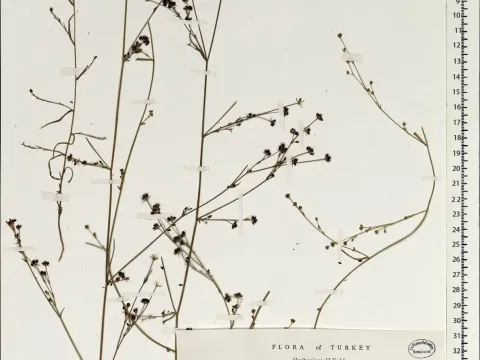
Bupleurum boissieri
Bupleurum boissieri
Bupleurum boissieri is a specific member of the Apiaceae family, often cultivated for its therapeutic properties. Sowing is best performed in late autumn to utilize natural stratification, which is critical for breaking seed dormancy and ensuring uniform germination.
What the section contains
Bupleurum boissieri
For spring sowing, seeds must undergo cold stratification in a refrigerator at temperatures between +2 and +5 degrees Celsius for several weeks. The seeds should be sown at a depth of 1-1.5 centimeters in well-prepared, friable soil.
Planting in rows with a spacing of 45-60 centimeters is recommended to facilitate optimal growth and mechanical maintenance. This spacing allows sufficient airflow, reducing the risk of fungal infections within the canopy.
Seedlings emerge slowly, making early weed control a primary concern for the grower. Thinning should be performed once the plants reach the 3-4 leaf stage to prevent overcrowding and resource competition.
Proper density management is essential for maximizing the yield of aerial parts used in pharmacological production. Consistent monitoring during the establishment phase is vital for successful cultivation.
The crop thrives in sunny locations with well-drained, calcareous, or light sandy-loam soils. It is highly adapted to dry environments but requires adequate moisture during the initial stage of germination and early development.
Optimal growth occurs in soils with a neutral to slightly alkaline pH. Good soil aeration is crucial, as the roots are sensitive to waterlogging, which often leads to root rot and diminished plant vigor.
Bupleurum boissieri exhibits significant heat tolerance, making it suitable for regions with high summer temperatures. Mature plants are frost-hardy, allowing them to overwinter successfully in various climatic zones.
Fertilization should prioritize phosphorus and potassium to strengthen roots and enhance the accumulation of active compounds. Nitrogen applications must be managed carefully to avoid excessive succulent growth that attracts pests.
Inter-row cultivation is necessary to maintain soil structure and prevent the development of hard surface crusts. This practice improves gas exchange and helps keep the plot free from competing vegetation.
The primary threats include fungal diseases such as root rot and powdery mildew, particularly in conditions of high humidity or poor drainage. Proper site selection and water management are the best preventative measures.
Pests like aphids and certain leaf-feeding larvae can cause significant damage to the floral parts and leaves. Integrated pest management using biological controls is preferred to ensure the safety of the raw medicinal material.
Small rodents can damage the root systems during the dormant season. Maintaining clean fields without debris significantly reduces the habitat for these pests and lowers the risk of infestation.
Strict hygiene in the field is necessary to minimize the spread of pathogens between plants. Removing diseased individuals early can effectively contain localized outbreaks.
- Maintain proper drainage to prevent root diseases.
- Monitor crops frequently for early signs of aphids.
- Control weeds to reduce competition for nutrients.