
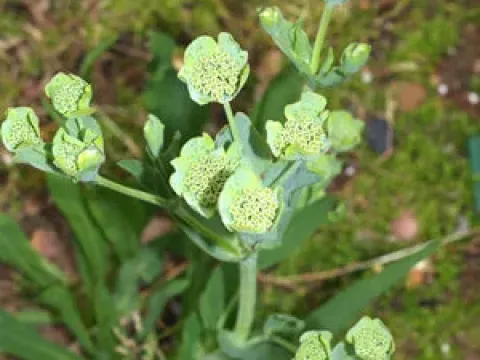
Bupleurum angulosum
Bupleurum angulosum
Sowing Bupleurum angulosum is typically scheduled for early spring, once the soil has warmed sufficiently to ensure optimal germination rates and uniform seedling emergence across the field.
What the section contains
Bupleurum angulosum
Preparation of a fine, crumbly seedbed is essential because the seeds are small and require shallow placement, ideally at a depth of no more than 1–2 centimeters.
An optimal planting layout features row spacing between 30 and 45 centimeters, which provides enough space for the plant to develop a strong leaf rosette during its first year of growth.
It is important to note that the viability of Bupleurum seeds declines relatively quickly, so using fresh seeds from the most recent harvest is crucial for achieving high germination.
Planting density should be carefully adjusted based on soil fertility to prevent overcrowding, which can encourage fungal diseases, especially in humid or stagnant air conditions.
Bupleurum angulosum, a member of the Apiaceae family, originates from mountainous regions in Europe, which fundamentally dictates its environmental preferences and adaptation strategies.
The crop thrives in well-drained loamy or sandy soils with a neutral pH, as it is highly sensitive to waterlogging, which can rapidly lead to root decay and overall plant failure.
Being a light-loving species, it requires locations with full sun exposure to maximize the synthesis of bioactive compounds, such as saponins, which are highly valued in the industry.
During the active vegetation period, consistent and moderate moisture levels are necessary, particularly during the critical phase of flower stalk development when metabolic demand is at its peak.
Soils rich in calcium are particularly well-suited for this crop, as its natural habitat often includes limestone substrates that support its specific physiological processes.
Root rot represents the primary threat to Bupleurum angulosum, often appearing in fields where soil drainage is inadequate or where excessive rainfall leads to prolonged saturated conditions.
Among pests, aphids and various species of jumping plant lice can inflict significant damage by feeding on young stems, thereby weakening the plant and reducing the final yield of raw material.
Effective disease management relies heavily on strict crop rotation protocols, avoiding the cultivation of Bupleurum on the same plot for at least three to four years to break pathogen life cycles.
Weed control is vital during the early establishment phase, as the young plants grow slowly and are easily outcompeted, which necessitates regular inter-row cultivation.
In cases of pest outbreaks, priority should be given to biological control agents to maintain the medicinal quality of the harvested crop and ensure compliance with safety standards.
The harvesting of medicinal raw material is performed during the peak flowering phase, when the concentration of key secondary metabolites is at its absolute maximum in the foliage.
Mechanical harvesting is generally employed, with the cutter bars set to collect the top 20–30 centimeters of the stem, ensuring the removal of high-quality material while avoiding lower, woody parts.
Once harvested, the plant material must be processed immediately to prevent heating due to moisture, which can cause significant degradation of active chemical components.
Drying is carried out in controlled environments, typically at temperatures ranging from 40 to 45 degrees Celsius, to ensure thorough moisture removal without destroying the delicate medicinal properties.
Final storage must take place in cool, dark, and well-ventilated areas where moisture content remains stable, preserving the integrity of the herbs until they reach the final user.