
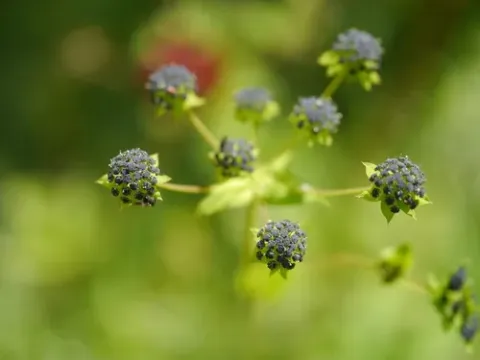
Bupleurum candollei
Bupleurum candollei
The sowing of Bupleurum candollei is typically carried out in the spring when the soil warms up to 10–12 degrees Celsius. An early spring period is considered optimal, allowing the seeds to undergo natural stratification in the soil under sufficient moisture conditions.
What the section contains
Bupleurum candollei
The seeds of this crop have a dense seed coat, so scarification or prolonged soaking is recommended before planting. The sowing depth in open ground should not exceed 1.5–2 centimeters to ensure uniform and successful germination.
Row spacing during field cultivation is maintained at 45–60 centimeters to ensure adequate maintenance and space for plant growth. In the first year of life, the crop develops slowly, primarily forming a basal rosette of leaves.
For late-autumn sowing, seeds are planted just before the onset of persistent cold weather so that they undergo vernalization under natural conditions. This method allows for earlier and more vigorous seedlings at the beginning of the next season.
The seed rate is calculated based on the quality of the planting material and the method of soil preparation, typically ranging from 6 to 8 kilograms per hectare of cultivated land.
Bupleurum candollei, belonging to the Apiaceae (Umbelliferae) family, is a perennial herbaceous plant with a high level of adaptability. In nature, the crop is found in the mountainous regions of Asia, which determines its preference for cool climates.
The crop has moderate soil requirements, preferring well-drained loams or sandy loam substrates. The optimal soil pH level ranges from slightly acidic to neutral reactions.
Successful growth requires good lighting, although the plant can tolerate light shading during peak daylight hours. Excessive soil moisture is detrimental to the root system, so it is essential to avoid sites with high groundwater levels.
The crop possesses good frost resistance, typical of high-altitude species, allowing it to be successfully cultivated in regions with harsh winters provided there is sufficient snow cover.
An important condition for development is the availability of sufficient micronutrients in the soil, especially calcium and magnesium, which contribute to strengthening the stems and increasing the concentration of biologically active substances.
The productivity of Bupleurum candollei in agriculture is evaluated by the yield of dry biomass from the aerial parts and the weight of the roots. In the second and third years of life, yields increase significantly, reaching peak values under proper agronomic care.
The average yield of aerial mass is about 15–20 centners per hectare when following irrigation and mineral fertilization regulations. Harvesting medicinal raw materials requires strict adherence to vegetation phases for maximum saponin accumulation.
The plant's root system develops gradually, so commercial harvesting of roots is advisable starting no earlier than the third year of vegetation. This allows for obtaining high-quality raw materials with a high content of active ingredients.
Seed yield can vary depending on meteorological conditions during the flowering and pollination period. The use of bee pollination on plots can significantly increase the percentage of seed set.
The economic efficiency of cultivating the crop depends directly on the quality of primary drying and sorting of the harvested material, which is a critical stage in the technological process.
Among the main diseases affecting the crop, fungal infections such as powdery mildew and various leaf spots occur when moisture regimes and plant density are poorly managed.
Root rot poses a significant threat, especially in heavy, waterlogged soils where water stagnation occurs. Prevention includes mandatory adherence to crop rotation and seed treatment before sowing.
Among pests, umbellifer moths and aphids are the most common, damaging inflorescences and young leaves. Regular inspection of plantings during the active growth period allows for the timely identification of infestation hotspots.
Weed control in the early stages of crop development is extremely important, as Bupleurum grows slowly in the first year and cannot compete with fast-growing weed species.
The application of insecticides and fungicides must strictly comply with regulations for medicinal crops to avoid the accumulation of residual pesticides in the final product.
The harvesting of the aerial part of Bupleurum candollei is carried out in the mass flowering phase, when the concentration of saponins and flavonoids reaches its maximum. Cutting is performed at a height of 10–15 centimeters from the soil surface.
Root harvesting is carried out in late autumn after the growing season ends, or early in the spring before the growth of new shoots begins. The roots are dug up, cleaned of soil, and washed with cold running water.
Drying of raw materials should be carried out in well-ventilated areas or in dryers at temperatures not exceeding 45–50 degrees Celsius to preserve the structure of biologically active compounds.
For seed production purposes, inflorescences are collected as they turn brown, preventing them from shedding completely. Seeds are dried in a cool place, then threshed and cleaned of foreign impurities.
Properly prepared raw materials are packed in paper bags or cloth containers that ensure air circulation and are stored in a dry, dark place to prevent mold and loss of quality.