
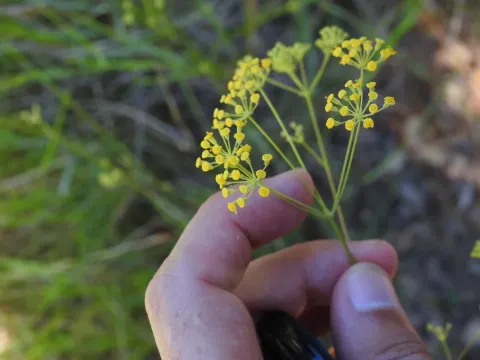
Bupleurum acutifolium
Bupleurum acutifolium
Sowing of Bupleurum acutifolium is best carried out in late autumn or early spring. The seeds require a period of cold stratification to break dormancy, making autumn planting the most reliable method for achieving uniform germination.
What the section contains
Bupleurum acutifolium
Seeds should be sown at a shallow depth of approximately 1 to 1.5 centimeters in well-prepared soil. Due to their small size, it is essential to ensure that the soil surface remains moist until the seedlings are fully established.
When sowing in the spring, ensure the field is free of perennial weeds, which can easily outcompete the young, slow-growing plants. Consistent irrigation during the first few weeks is crucial to ensure successful emergence.
The optimal planting pattern involves maintaining row spacings of 45 to 60 centimeters. This distance provides adequate airflow and space for mechanical or manual weeding throughout the vegetative season.
Thinning should be performed once the plants reach the two-leaf stage, ensuring that individual plants have enough space to develop a strong taproot. Proper spacing prevents stress and improves the overall quality of the crop.
Bupleurum acutifolium belongs to the Apiaceae family and is known for its resilient, deep-reaching root system. As a perennial plant, it adapts well to various temperate climates, provided that specific soil conditions are met.
The crop thrives in sunny locations with light, well-draining soils. Sandy loams or loamy soils with a neutral pH are ideal, while heavy clays that tend to retain water should be avoided to prevent root diseases.
This species is highly cold-hardy, allowing it to withstand harsh winters in temperate zones. However, in regions with little snow cover, a light layer of mulch can help protect the root crowns from extreme fluctuations.
While mature plants have decent drought tolerance, adequate moisture is required during the rapid growth phase in the spring. Over-irrigation should be avoided, as stagnant water is one of the primary causes of crop failure.
Standard agronomic maintenance includes regular soil aeration through hoeing and occasional nutrient supplementation. Using balanced fertilizers rich in phosphorus and potassium helps strengthen the plants for better yield.
Fungal diseases, such as powdery mildew and root rot, are the most significant threats to Bupleurum acutifolium. These issues are often exacerbated by high humidity and inadequate air circulation within the canopy.
Pests such as aphids and specialized umbellifer bugs can cause damage by feeding on young foliage and developing flowers. Their activity not only weakens the plant but can also facilitate the transmission of viral diseases.
Effective pest management relies on strict crop rotation practices. Avoiding the cultivation of Bupleurum after other Apiaceae members reduces the risk of soil-borne pathogens accumulating in the production field.
When pest pressure exceeds acceptable thresholds, the use of biological control agents or targeted insecticides is recommended. Always prioritize methods that minimize the impact on beneficial pollinators in the field.
Monitoring for signs of distress, such as leaf discoloration or stunted growth, should be a routine practice. Removing and destroying affected plants immediately is a necessary step to curb the spread of any detected infection.
Harvesting is performed during the peak flowering stage, which is when the plant's active secondary metabolites are at their highest concentration. Timing is critical to ensuring the pharmacological potency of the final product.
The aerial parts are harvested by cutting the stems, leaving at least 10–15 centimeters above the base to allow for the plant's recovery. This sustainable approach helps maintain the long-term vitality of the perennial plantation.
Once harvested, the material should be processed immediately to prevent spoilage. Drying takes place in well-ventilated, shaded facilities, as direct sunlight can degrade the quality and efficacy of the raw material.
Proper storage is essential to maintain the herb's quality. Dried materials should be placed in breathable containers and kept in a cool, dark, and dry environment to preserve their active chemical properties.
The plantation can typically remain productive for several years. After 3 to 4 years, it is usually advisable to rotate the crop to a new site to maintain optimal soil health and plant vigor.