
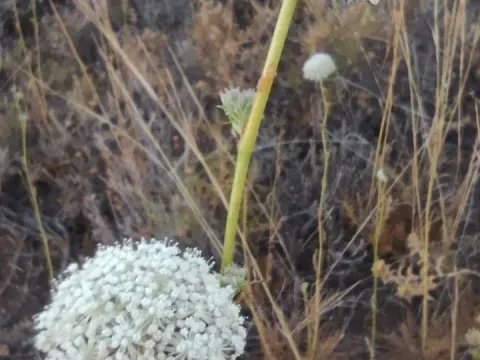
Bristly carrot
Daucus setifolius
The bristly carrot (lat. Daucus setifolius) is an herbaceous plant belonging to the Apiaceae family. It is a distinct species within the genus Daucus, noted for its specific morphological adaptations and physiological resilience in wild habitats.
What the section contains
Bristly carrot
This species thrives in well-drained, porous soils that mimic its native environmental conditions. It is highly sensitive to waterlogging, as excessive moisture in the root zone quickly leads to root decay and inhibits healthy growth.
Cultivation of Daucus setifolius requires full exposure to direct sunlight. It is an heliophilic plant that relies on high-intensity radiation to synthesize nutrients and maintain its characteristic structure and vigor.
In terms of climatic preferences, the plant is remarkably drought-tolerant, making it suitable for regions with limited rainfall. It prefers moderate temperature fluctuations and avoids areas with high humidity and stagnant air.
From an agrotechnical perspective, maintaining a balanced soil chemistry with a neutral pH is essential. Avoiding deep compaction of the soil helps promote root development and ensures long-term viability of the plant stands.
Common threats to this crop include typical pests such as carrot rust flies, which can compromise the structural integrity of the plant during its juvenile development stages. Early detection is vital for effective management.
Fungal diseases are a persistent risk, especially in conditions with poor air circulation or excessive moisture. Powdery mildew and various root rots are the most common pathogens that require constant vigilance.
Integrated pest management (IPM) strategies, which prioritize biological controls and sustainable agricultural practices, are highly recommended. These measures reduce the dependency on synthetic chemical inputs.
Effective weed control is a critical component of crop maintenance, as weeds often act as vectors for various diseases and compete with the crop for essential soil nutrients and space, reducing overall yield potential.
Cultural practices such as maintaining optimal plant spacing significantly help in preventing the spread of diseases. Proper ventilation reduces the humidity levels around the foliage, making the environment less hospitable to fungal pathogens.