
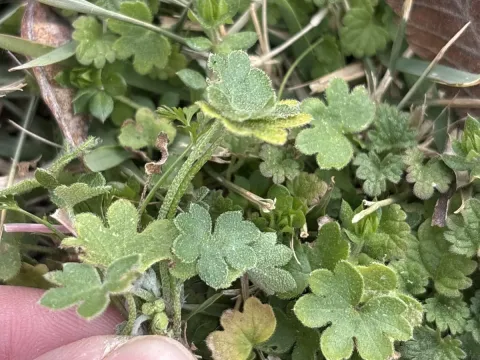
Bowlesia
Bowlesia
Bowlesia belongs to the Apiaceae family and is generally categorized as an annual herb. In its native habitats, germination typically occurs during cooler, moister seasons, aligning with autumn or early spring moisture patterns.
What the section contains

Bowlesia
When cultivating this plant, it is essential to consider the seed dormancy period, which requires consistent environmental conditions to ensure successful and uniform emergence.
The optimal time for sowing is during the spring, once soil temperatures have consistently reached the range of 10 to 15 degrees Celsius.
Seeds should be planted at a shallow depth of approximately 1 to 2 centimeters to ensure adequate soil-to-seed contact without burying them too deeply.
Maintaining adequate surface moisture in the seedbed during the first two weeks post-sowing is critical for establishing strong early-stage growth.
This crop thrives in well-drained, fertile soils with a neutral pH level, avoiding areas prone to waterlogging, which can easily damage the root system.
It prefers sunny, open environments, as adequate light intensity is vital for the development of its characteristic leafy foliage and robust growth.
Nutrient management is key, with a focus on balanced nitrogen application to support the vegetative stage without causing excessive, weak shoot development.
Consistent soil moisture management is necessary throughout the growing season, as the shallow root system is highly sensitive to even short periods of drought.
Proper spacing is a vital agronomic practice, ensuring that individual plants have enough airflow to prevent moisture accumulation around the base of the stems.
Common plant health issues include fungal diseases such as powdery mildew, which are often exacerbated by poor air circulation or excessively high humidity.
Aphids and spider mites are among the primary pests that can impact Bowlesia, causing damage to tender leaves and potentially stunting plant development.
Integrated Pest Management (IPM) strategies, including biological controls and selective chemical applications, are recommended to maintain plant health.
Regular field scouting is essential to identify infestations early, allowing for targeted intervention before the pests reach economic damage thresholds.
Crop rotation and strict field sanitation practices help reduce the buildup of soil-borne pathogens and pests associated with the Apiaceae family.