
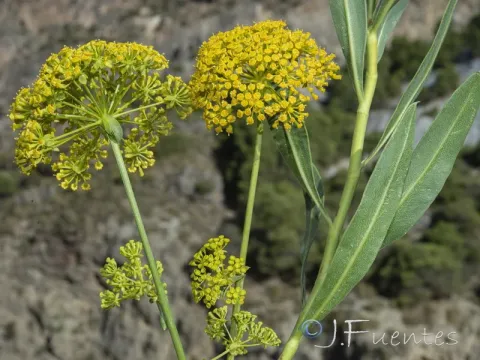
Gibraltar hare's ear
Bupleurum gibraltaricum
The Gibraltar hare's ear is a perennial herb belonging to the Apiaceae family. Sowing is typically carried out in the spring after the soil has warmed up, as the seeds require specific temperature conditions to break dormancy and ensure uniform germination.
What the section contains
Gibraltar hare's ear
Before sowing, seeds often undergo stratification to improve their viability and increase the speed of sprout emergence in field conditions. The planting depth must be kept shallow, generally around 1 to 2 centimeters, to provide the seeds with the light they need to grow efficiently.
When sowing on a field scale, it is crucial to maintain appropriate plant spacing to provide each specimen with enough space for root system development. This approach helps the plant reach its full potential and ensures the health of the entire crop population.
Choosing the right predecessor in the crop rotation is vital, with grains or root crops being ideal choices. It is recommended to avoid plots where other Apiaceae species were grown recently to prevent the buildup of soil-borne pathogens in the root zone.
Proper soil preparation, including deep tilling and the removal of all weeds before the first planting, is essential. Since the seedlings are initially slow-growing, early weed control is a critical step in the successful establishment of the crop.
This species thrives in well-drained, calcareous soils, reflecting its native Mediterranean habitat where alkaline environments dominate. It is highly sensitive to waterlogging, making the selection of elevated planting sites with good drainage a top priority.
The Gibraltar hare's ear is notably drought-tolerant, but to achieve high-quality foliage yield, moderate irrigation is necessary during the active growing season. Excess nitrogen fertilization should be avoided as it can compromise the plant's natural chemical balance.
The plants prefer locations with full sun exposure and protection from strong, prevailing winds. Sunlight is a key factor in the accumulation of the active biological compounds for which this plant is harvested in medicinal and industrial applications.
Maintaining a moderate temperature range is ideal for the species, as it does not perform well under extreme environmental stressors. While the plant shows some frost resistance, light mulching during the dormant period is beneficial in regions with colder winters.
Regular maintenance of the planting site includes systematic inter-row cultivation to keep the soil aerated and free from weeds. This practice also helps in maintaining the correct moisture balance, which is vital for the plant's long-term health and growth productivity.
The primary threats to this crop include fungal diseases such as powdery mildew, which thrive in conditions of high humidity and poor air circulation. These infections can significantly reduce both the quality and quantity of the harvest if not managed early.
Root rot, caused by various soil-borne fungi, poses a significant risk to young plants in poorly drained soils. Adhering to strict irrigation protocols and avoiding excessive soil saturation are essential preventive measures to maintain plant vigor.
Pests, particularly aphids, frequently infest the tender upper stems and leaves, causing structural damage and potential transmission of viral diseases. Regular crop scouting is necessary to detect these infestations before they spread across the entire field.
Slugs and snails can cause severe defoliation during the early growth stages of the plant. Using physical barriers or environmentally friendly bait methods can effectively control these pests without harming the surrounding beneficial insect population.
A successful plant protection strategy involves monitoring environmental conditions and using fungicides or insecticides only when strictly necessary. Integrating cultural practices, such as proper spacing and rotation, remains the best defense for long-term production.