
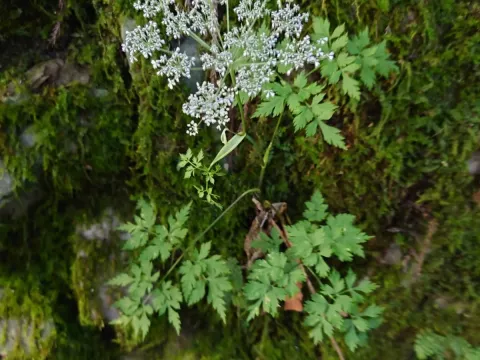
Angelica polymorpha
Angelica polymorpha
Angelica polymorpha is a perennial herbaceous plant belonging to the Apiaceae family. Sowing seeds in temperate climates is best performed in late autumn, as the seeds require a period of stratification to break dormancy and ensure uniform germination in the spring.
What the section contains
Angelica polymorpha
For spring sowing, seeds should be planted in open ground as soon as the soil can be worked. The seedbed must be finely tilled to a depth of 10–15 centimeters to ensure the seeds make proper contact with the soil for effective moisture absorption.
Seeds should be buried at a shallow depth, approximately 1–2 centimeters. Compacting the soil surface lightly and applying a thin layer of compost or mulch helps retain moisture and prevents the soil from crusting over before the seedlings emerge.
The spacing between rows should be set at 50–60 centimeters to accommodate the significant size of the mature plant. This spacing is essential for providing enough room for root development and facilitating easier mechanical or manual weeding.
Thinning the seedlings should occur during the 2–3 true leaf stage. Growers should keep the most vigorous plants, maintaining an interval of 30–40 centimeters within the row to minimize resource competition.
This crop thrives in areas with consistent moisture levels, though it cannot tolerate waterlogged soils. While the plant performs best in full sun, it is capable of growing in partial shade, particularly in regions with very hot summer climates.
Angelica polymorpha prefers deep, fertile loamy soils with a neutral or slightly acidic pH (6.0–7.0). Good soil structure is vital to allow the taproot to develop fully without obstruction or deformation.
Incorporating well-rotted organic matter into the soil during autumn tillage is highly recommended. Over-application of nitrogen-based fertilizers during the flowering phase should be avoided, as it may degrade the quality of the harvest.
Consistent watering is required throughout the first half of the growing season. Drought stress during the leaf development stage will significantly reduce the vigor of the plant and decrease the potential yield of the roots.
Effective weed management is critical during the establishment phase. Because the plant exhibits slow initial growth, competitive weeds must be removed early to ensure the crop has adequate access to nutrients and light.
Fungal diseases are the primary threat, especially in humid conditions with poor air circulation. Common issues include powdery mildew and root rot, which can quickly spread through a dense crop canopy if not managed correctly.
Pests such as aphids and larvae of specific moths can cause significant damage to the foliage. Such infestations can weaken the plant, reducing its ability to photosynthesize and store essential nutrients in the root system.
A rigorous crop rotation schedule is the best preventative measure against soil-borne pathogens. Avoid planting Angelica polymorpha in plots that recently hosted other Apiaceae members like carrots or celery to prevent disease buildup.
Cultural control measures, including regular weeding and the prompt removal of crop debris, help reduce overwintering sites for pests and pathogens. Clean fields are essential for long-term productivity.
If chemical or biological intervention is necessary, it must be performed well in advance of the harvesting window. Always follow the manufacturer's safety guidelines to ensure the final product remains safe for use.
The harvest focus for Angelica polymorpha is on the roots and rhizomes, which are typically collected at the end of the second year of growth. Harvesting is best performed in autumn when the aerial parts begin to wither.
Roots should be carefully excavated using pitchforks to avoid cutting or damaging them. Once removed, they must be cleaned thoroughly under cold running water to remove all soil and debris from the surface.
Drying is a critical step and should be conducted in shaded, well-ventilated areas or in controlled-temperature drying chambers. Temperatures must remain below 45 degrees Celsius to prevent the loss of delicate essential oils.
Properly dried roots should be brittle and aromatic. They should be stored in paper bags in cool, dry, and dark locations to maintain their quality and potency over time until they are ready for processing or sale.
Seeds are harvested when the umbels turn brownish and become brittle. After collection, seeds are dried, threshed to separate them from the debris, and stored in a cool, dry place for use in the next planting season.